


Climate Controlled Shipping Containers for Growing Mushrooms
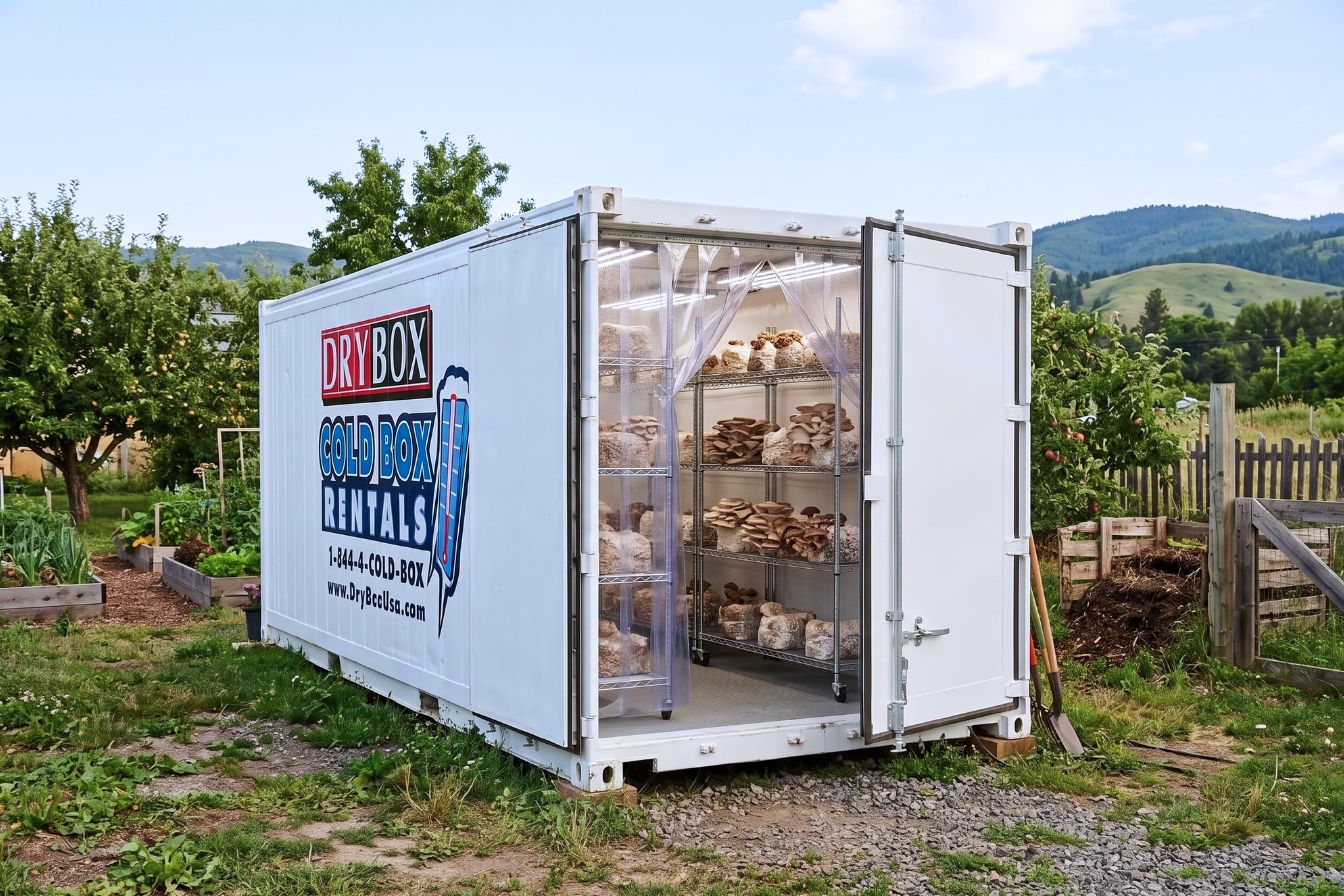
Climate controlled shipping containers for growing mushrooms give you a sealed, insulated space where temperature and humidity stay stable year-round. Most edible mushrooms fruit best between 55°F and 75°F, according to Colorado Cultures. The result is faster flushes, cleaner crops, and harvests in any season.
An empty refrigerated shipping container might be the most productive farm you never expected to own. Steel walls, tight insulation, and built-in refrigeration turn a small patch of ground into a year-round growing room for fresh fungi.
This guide walks through how to grow mushrooms in a container, the best temperature for mushrooms to grow, and the storage options that fit different budgets. It is written for home growers and small farms alike. By the end you will know exactly what a shipping container mushroom farm needs to run.
Why a Shipping Container Mushroom Farm Works So Well
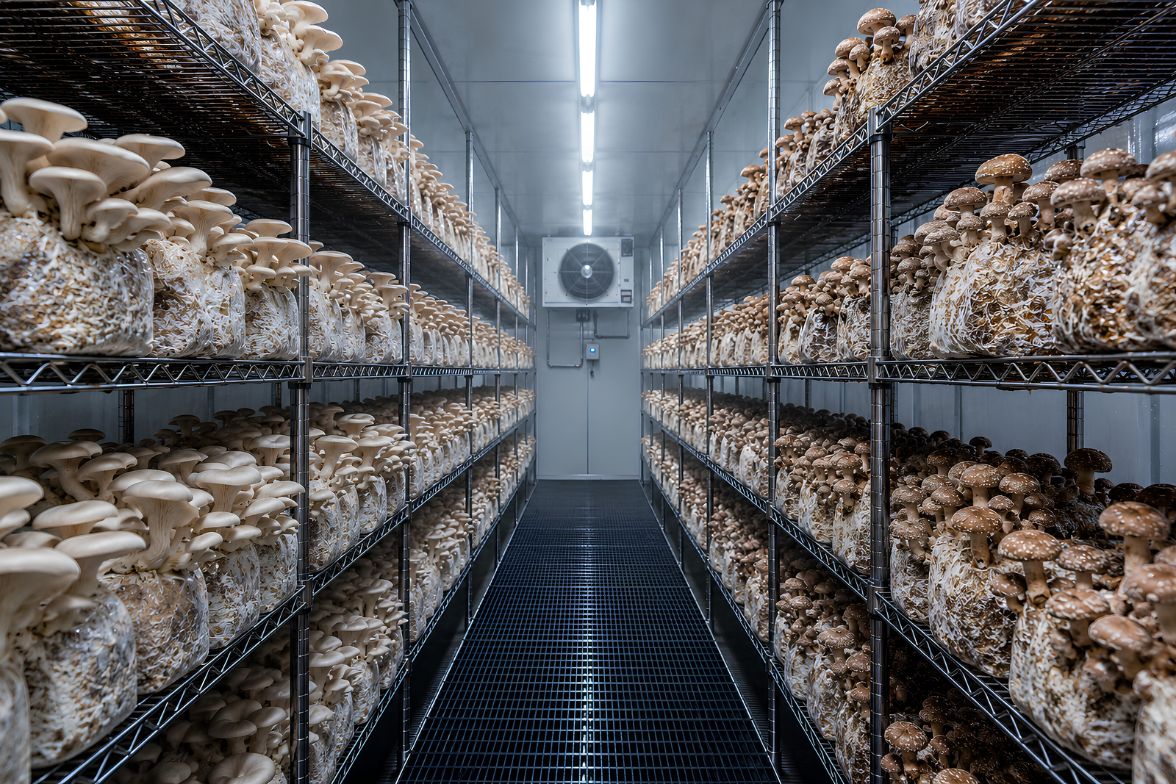
Mushrooms are picky about their surroundings. They want cool air, high humidity, and protection from wild swings in weather. A refrigerated shipping container was engineered to do exactly that for perishable cargo, so it already fits the job.
The insulated steel shell blocks outside heat and cold, while the onboard refrigeration unit sets the temperature you choose. That sealed design also keeps out pests, mold spores, and dust that can ruin a crop. You gain a clean room without building one from scratch.
These units are also mobile and secure. You can place one on a farm, behind a restaurant, or in a backyard, then lock it up when you leave. Growing mushrooms in a shipping container means your indoor mushroom farm can move with you.
How to Grow Mushrooms Indoors, Step by Step
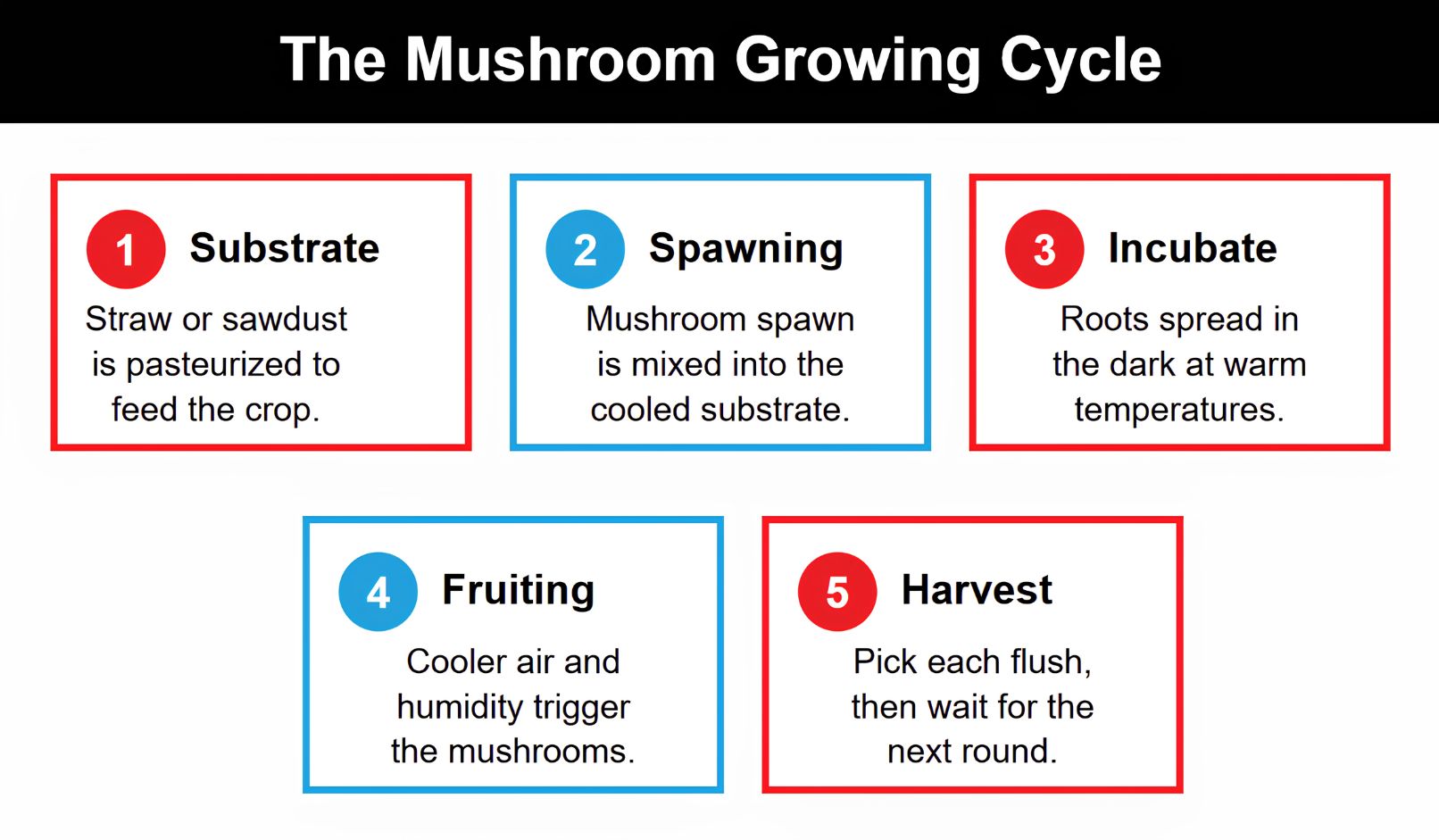
Learning how to grow mushrooms indoors comes down to five simple steps. Each one sets up the next, and a container keeps the conditions steady throughout.
- Prepare the substrate. Straw, hardwood sawdust, and spent coffee grounds all work well once they are pasteurized to kill competing molds. Clean material gives the mushrooms a head start.
- Add the spawn. Spawn acts like the seed, so mix it into the cooled substrate and pack the blend into bags or bins.
- Incubate in the dark. Keep the container warm while white, root-like mycelium spreads through the mix and fully colonizes it.
- Trigger fruiting. Lower the temperature and raise the humidity, and tiny pins will appear and grow into full mushrooms within days.
- Harvest each flush. Pick the mature caps, then let the block rest and rebuild for the next round.
For a deeper technical walkthrough, the Penn State Extension mushroom guide covers each stage in detail.
The Best Temperature for Mushrooms to Grow
Temperature control is where a reefer earns its keep. Most species need one range to colonize and a cooler range to fruit. The best temperature for mushrooms to grow sits between 55°F and 75°F for the common home varieties, according to Colorado Cultures.
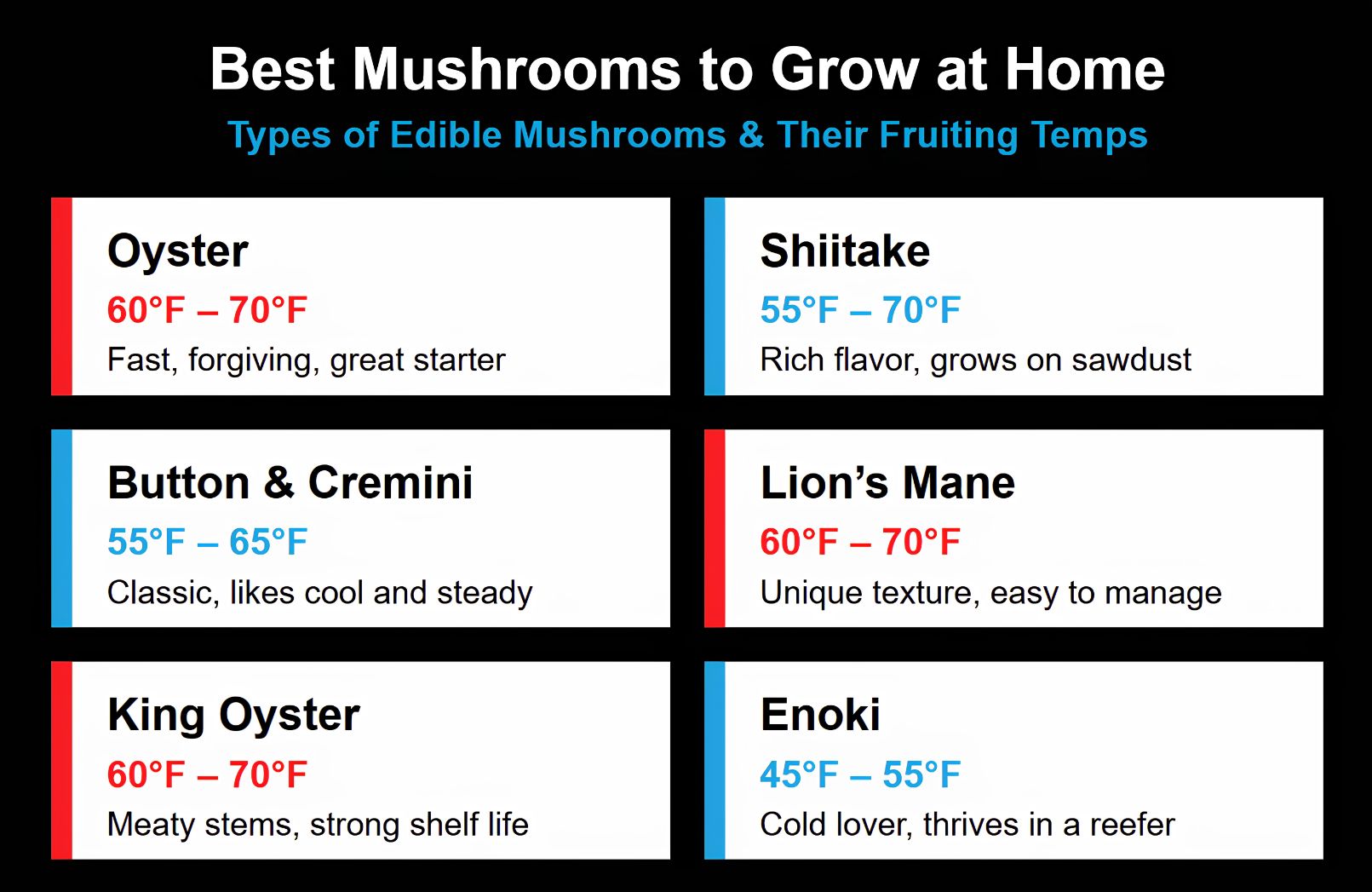
Oyster mushrooms fruit happily around 60°F to 70°F, while shiitake and button types prefer the cooler end, according to Auburn University. A container lets you dial in the exact number and hold it steady. That stability is nearly impossible to match with a spare room or a garage.
After harvest, the same unit protects your yield. The ideal mushroom storage temperature is 34°F to 38°F, according to the Mushroom Council, which slows spoilage and keeps caps firm. You can grow and store in one cold storage rental without moving product across town.
Best Mushrooms to Grow at Home
The best mushrooms to grow at home are the ones that forgive small mistakes. These types of edible mushrooms all thrive in a steady container climate, so you can run several kinds at once without conflict.
Oyster Mushrooms
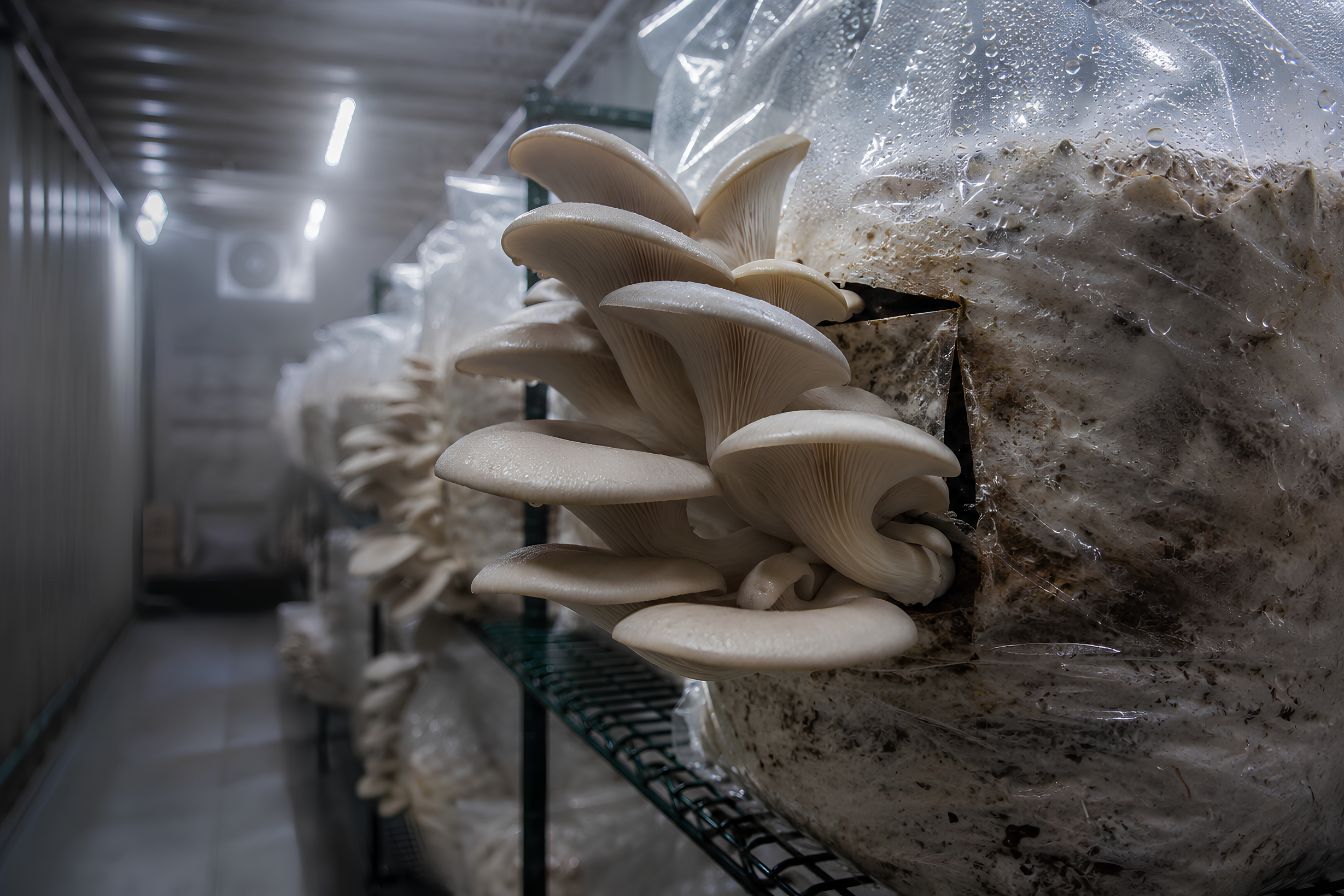
Fast and forgiving, oyster mushrooms tolerate a wide range of conditions, which makes them the friendliest choice for a first crop.
Shiitake Mushrooms
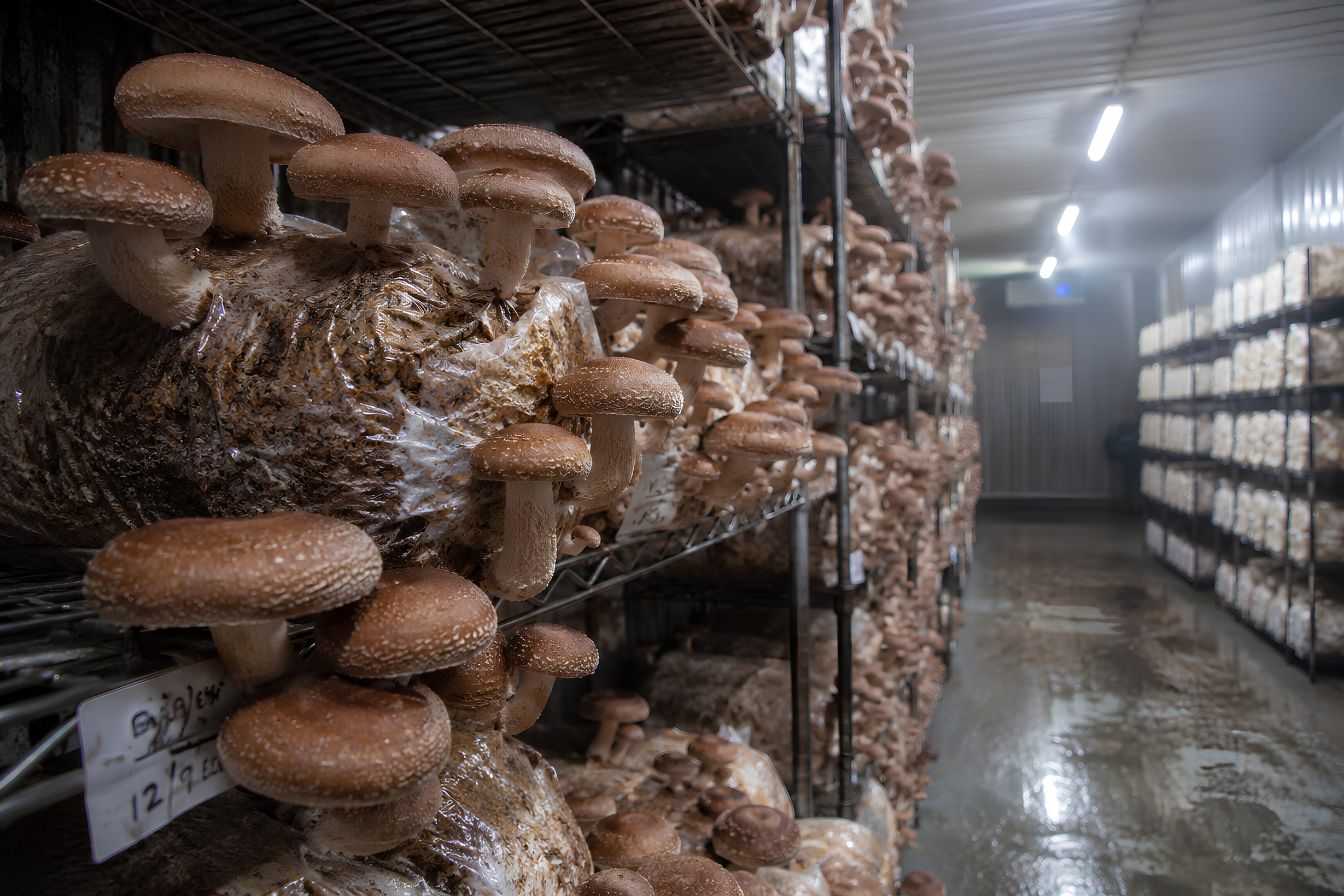
A rich, savory favorite that grows on hardwood sawdust and rewards patience with strong market value.
Lion’s Mane
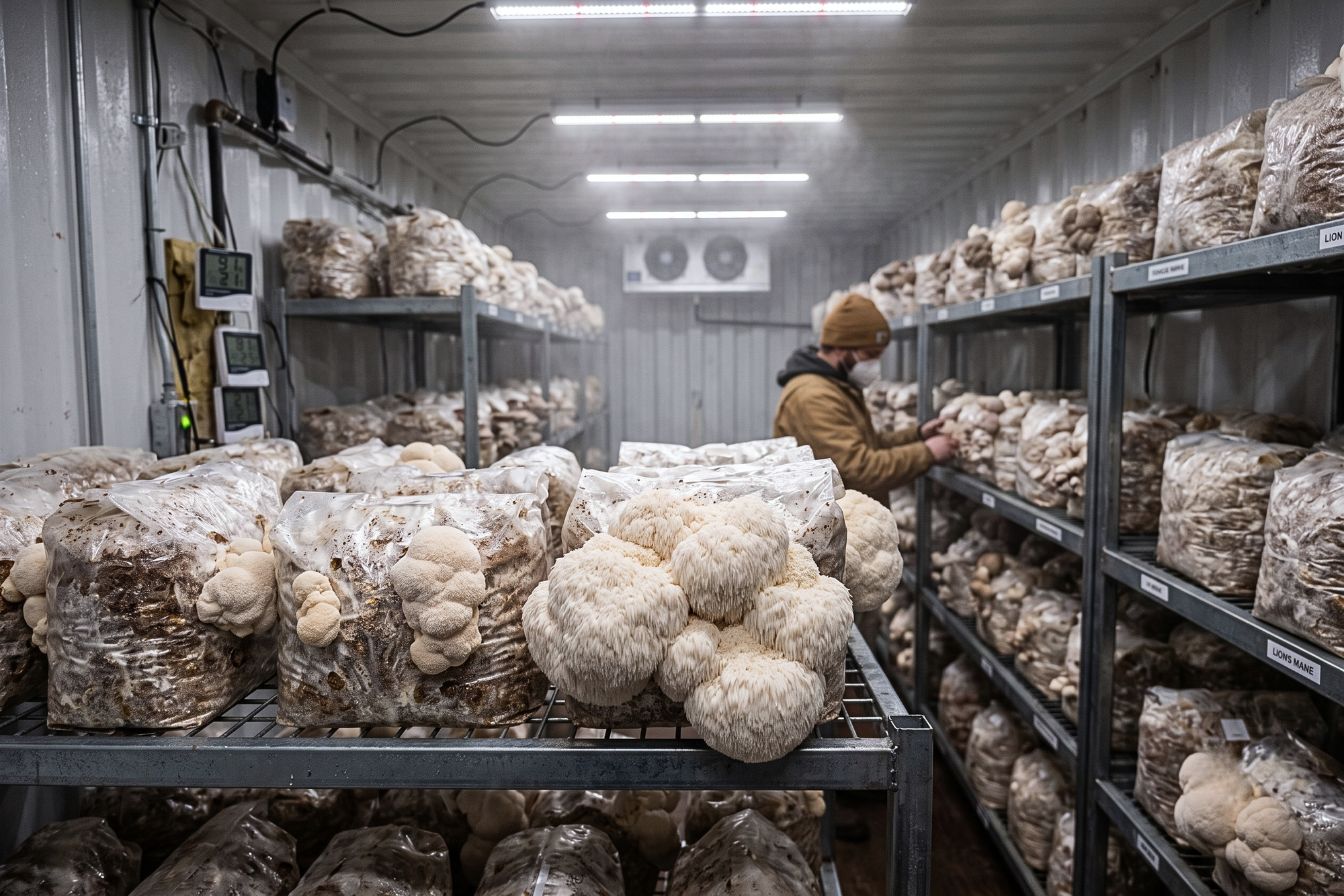
Prized for its unique texture and studied for possible brain and nerve support, yet still easy to manage.
King Oysters
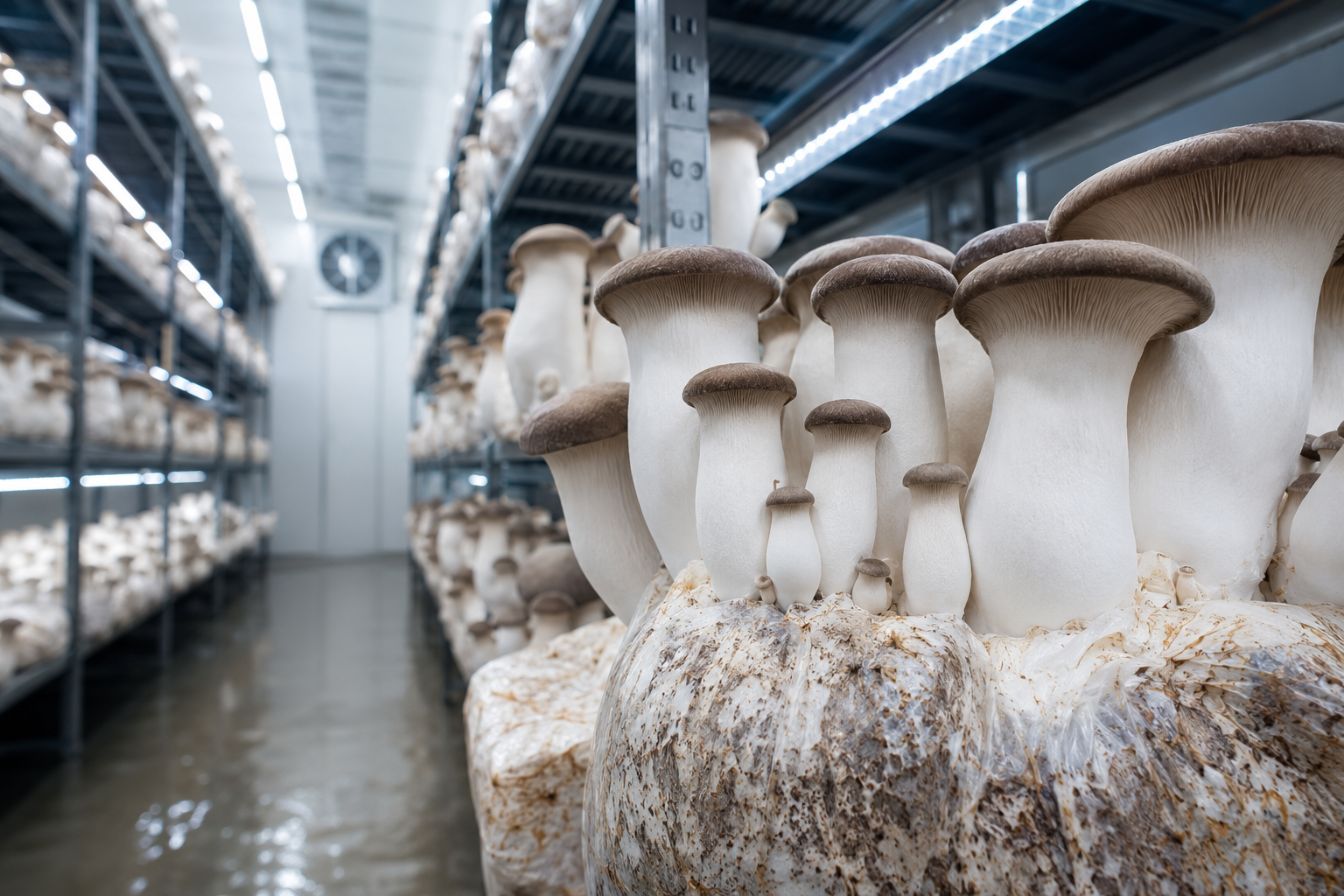
Meaty stems and a long shelf life make this variety a hit with restaurants and home cooks alike.
Enoki Mushrooms
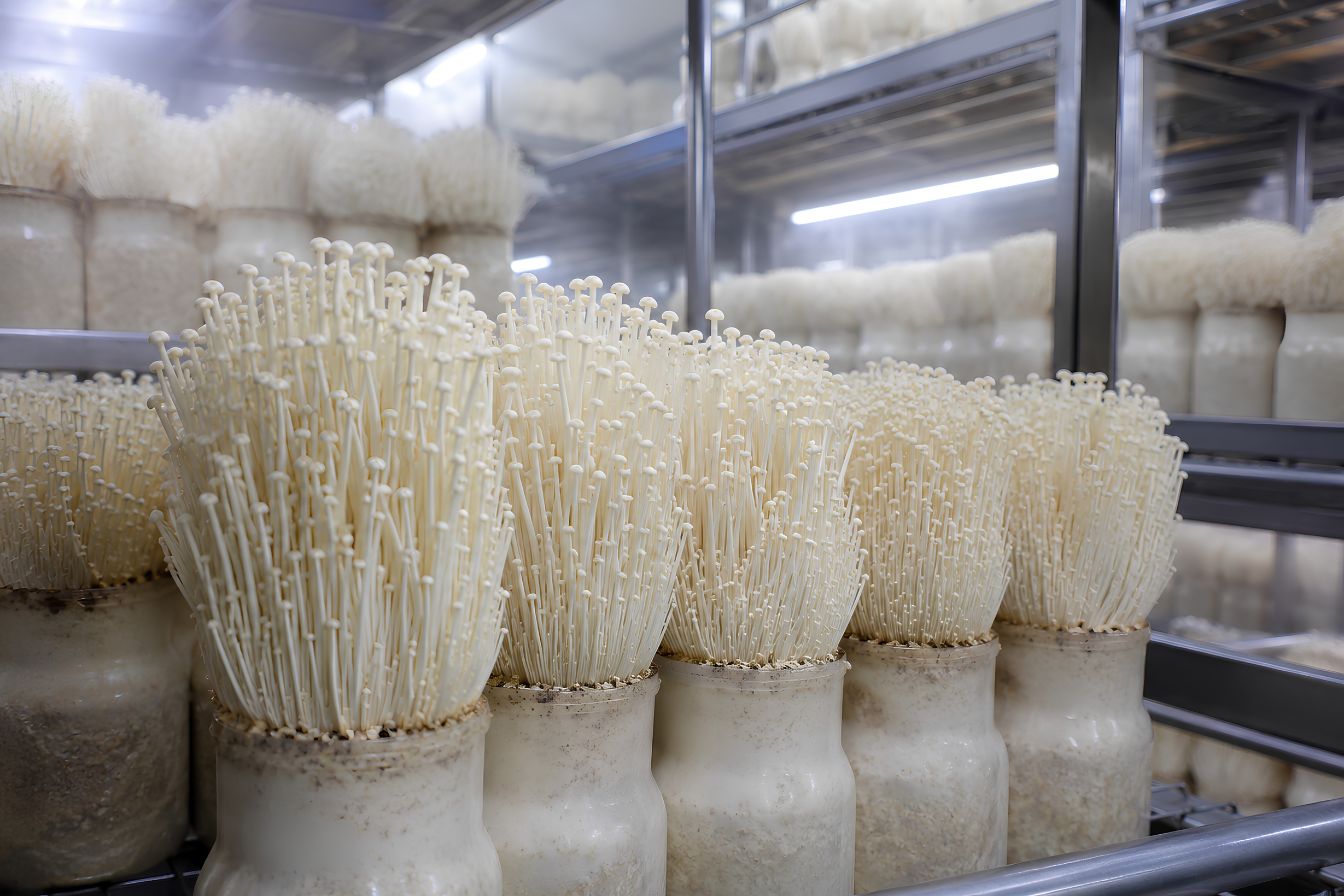
A cold lover that wants temperatures near 50°F, which is exactly where a refrigerated container shines.
That last group is the reason a reefer beats a spare room. A normal space cannot hold 50°F through summer, but a 20ft refrigerated shipping container makes it a simple setting on the controller.
Mushrooms With Health Benefits
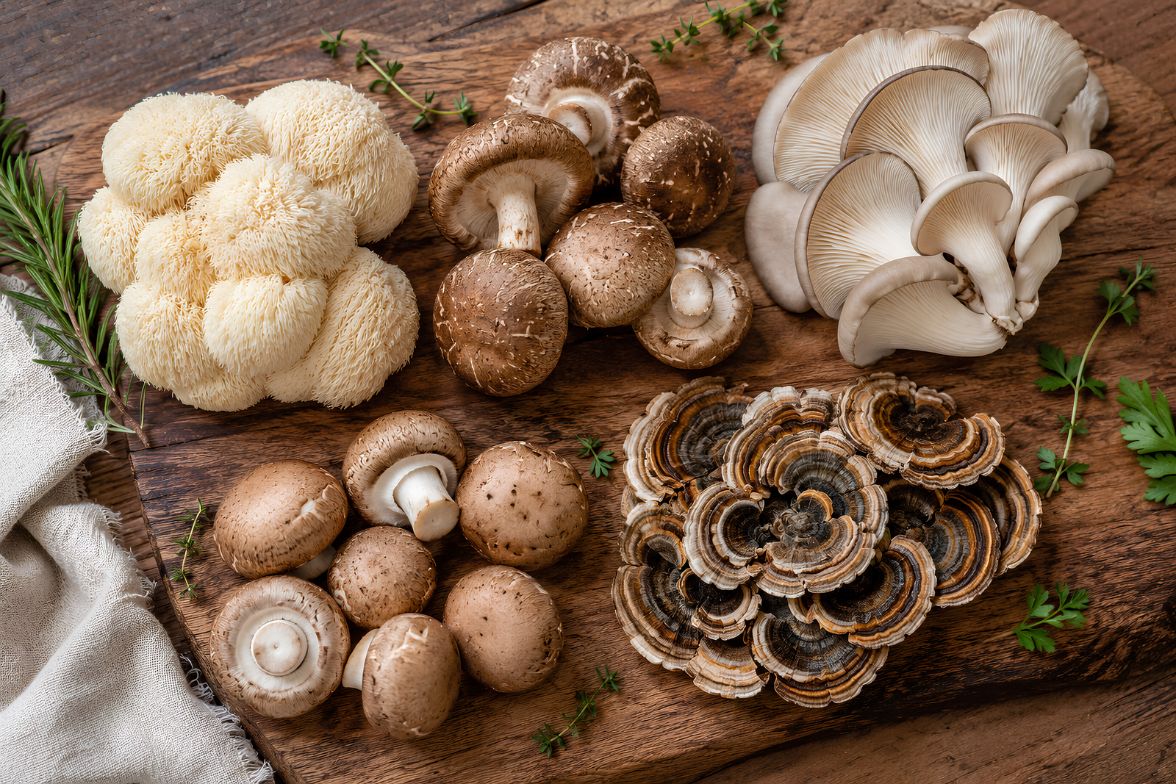
Growing your own gives you fresh access to mushrooms with health benefits that store shelves cannot always match. Many edible varieties are low in calories yet rich in fiber, B vitamins, and antioxidants. Here is what a few popular types are known for.
- Lion’s mane. Studied for its possible support of nerve and brain health, and a source of antioxidants.
- Shiitake. Contains compounds such as lentinan that are linked to immune and heart support.
- Oyster. High in fiber and antioxidants, and often tied to healthy cholesterol levels.
- Button and cremini. Provide B vitamins and selenium, and can build vitamin D when exposed to light.
- Turkey tail. A woodland mushroom rich in antioxidants and polysaccharides that are widely studied for immune support.
Fresh harvests deliver these nutrients at their peak, which store-bought options cannot always promise.
Selling fresh, local mushrooms can also become a real income stream. Restaurants and farmers markets prize quality and steady supply. A climate-controlled container helps you deliver both, season after season.
Equipment for Growing Mushrooms
The equipment for growing mushrooms is refreshingly short once the container handles climate. You will need shelving or racks to hold your bags and bins. Sturdy wire shelving makes cleaning easy and improves airflow.
A small humidifier and a few oscillating fans keep moisture and fresh air moving. Mushrooms release carbon dioxide, so gentle ventilation prevents leggy, misshapen caps. A basic hygrometer lets you watch humidity at a glance.
Beyond that, you need spawn, substrate, and grow bags, plus lights on a timer for fruiting. Adding container modifications such as insulated doors or vents can fine-tune your grow room. Simple gear plus a stable box is a complete indoor mushroom farm.
Cold Storage Options for Your Mushroom Growing Container
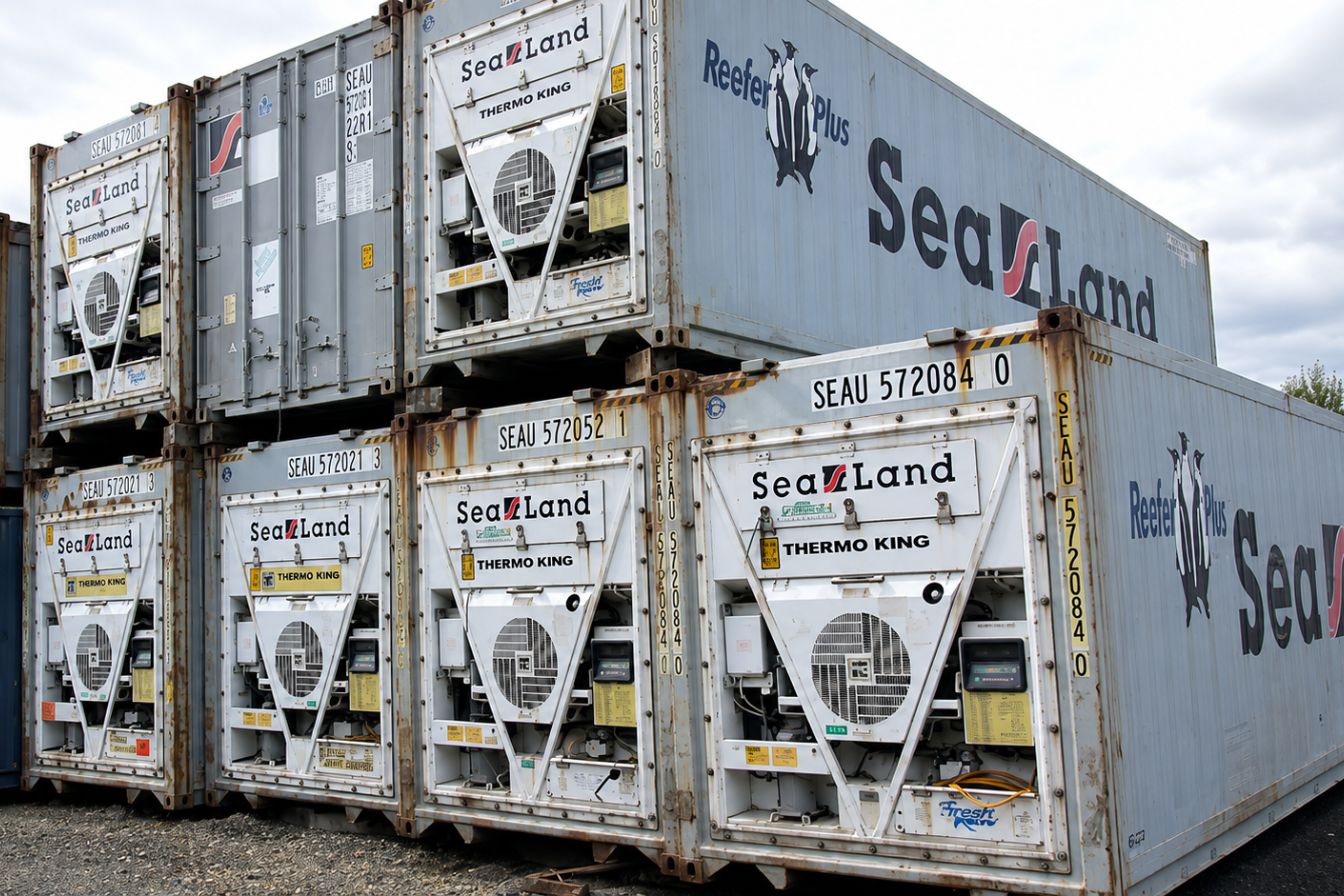
Choosing the right mushroom growing container depends on your scale and budget. Each option below holds a steady climate, so the decision comes down to size, mobility, and price.
- 20ft Reefer Container. A compact starter size that suits hobby growers and small farms, fitting in tight yards while still holding plenty of racks.
- 40ft Reefer Container. A 40ft refrigerated container doubles your growing room for commercial output and larger, staggered crops.
- Reefer Trailer. Adds wheels so you can move the whole operation between sites or seasonal locations with ease.
- Non-Operational Reefer. Gives you the insulated shell at a lower cost when you plan to add your own cooling.
You can rent for a season or buy for the long haul. Compare a refrigerated container for sale against a rental to see which pencils out. Reviewing the reefer container specs helps you match size and power to your crop.
Frequently Asked Questions
Do I need a license to sell mushrooms I grow?
Rules vary by state and county, so check with your local health department first. Many home growers can sell certain fresh produce with light regulation, while packaged or value-added products face stricter rules. Confirm your local cottage food and farm sales laws before you list a price.
How much can one container produce?
Output depends on species, racking, and how often you run flushes. A well-managed 40ft unit can yield hundreds of pounds per month across staggered crops. Starting small and scaling as you learn is the safest path.
Can I grow mushrooms and store other goods in the same unit?
Yes, though it works best when the products share a temperature range and do not cross-contaminate. Some growers split a container into a fruiting zone and a cold storage zone. Good airflow and clean separation keep both sides healthy.
How much electricity does a reefer container use?
Usage depends on the outside climate, insulation, and your target temperature. A modern refrigeration unit is efficient, and a shaded, well-sealed container lowers the load. Ask about power draw and voltage when you compare models.
Do mushrooms need light to grow?
Mushrooms do not photosynthesize, so they need far less light than plants. A small amount of indirect light during fruiting helps caps form and orient properly. Simple LED strips on a timer are usually enough.
Disclaimer: This article does not constitute medical, legal, or regulatory advice. Always consult the FDA, USDA and CDC for guidance on cold storage requirements. Cold Storage Containers and Dry Box are not responsible for how this information is applied in practice.