


Best Temperature To Store Flowers for Florists
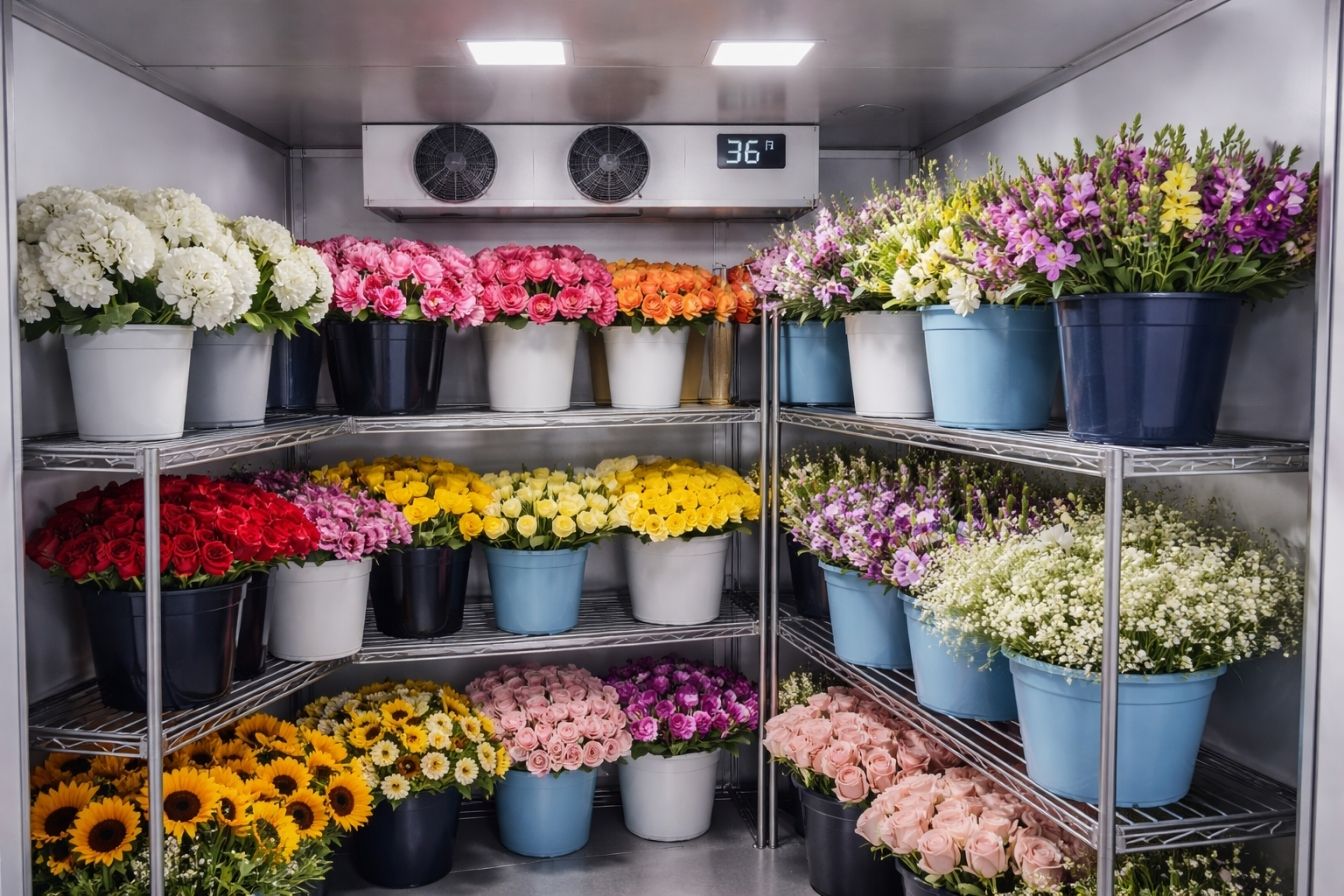
Fresh flowers are one of the most temperature-sensitive products in retail. From the moment stems are cut, their lifespan begins to shorten unless the environment is carefully controlled.
For florists, understanding the best temperature to store flowers is not just a best practice. It is essential for protecting inventory, maintaining quality, and delivering arrangements that last.
Improper temperature leads to dehydration, bacterial growth, petal damage, and shortened vase life. Correct flower storage slows biological processes, preserves color and structure, and ensures customers receive flowers at their peak.
According to Florists Review, the best temperature to store standard cut flowers is 33°F to 42°F with 80% to 90% humidity. But tropical flowers and bulbs differ slightly.
This guide explains ideal storage temperatures, real-world use cases, cooler storage options, and proven techniques professional florists rely on every day.
Why Temperature Control Is Critical in Flower Storage
Flowers remain alive after harvest. They continue to respire, consume stored sugars, and lose moisture. Heat accelerates this process, while cold temperatures slow it dramatically.
Maintaining the correct flower refrigerator temperature reduces water loss, slows ethylene production, and limits microbial growth inside stems. Even small temperature fluctuations can shorten shelf life and reduce visual appeal.
For florists managing daily inventory, event orders, or wholesale shipments, temperature control directly impacts profit margins and customer satisfaction.
Where Proper Flower Storage Is Most Valuable
- Retail florists holding multiple days of inventory
- Wedding and event florists preparing large installations
- Grocery store floral departments
- Wholesale and distribution centers
- Seasonal demand spikes and holiday
In each case, temperature controlled flower storage prevents waste and protects product quality.
What is The Best Temperature to Store Flowers?
The best temperature to store flowers for most fresh-cut varieties falls between 33°F and 42°F. This range slows respiration without freezing delicate plant tissue.
Recommended Flower Refrigerator Temperature
- Standard cut flowers: 33°F to 42°F
- Tropical flowers: 50°F to 55°F
- Bulbs like tulips and lilies: 33°F to 36°F
Maintaining a consistent flower cooler temperature is more important than hitting a single number. Temperature swings cause condensation, which leads to mold, stem rot, and petal spotting.
Humidity should remain between 80 percent and 90 percent to prevent dehydration.
Freezing Flowers and Why It Is Not Recommended
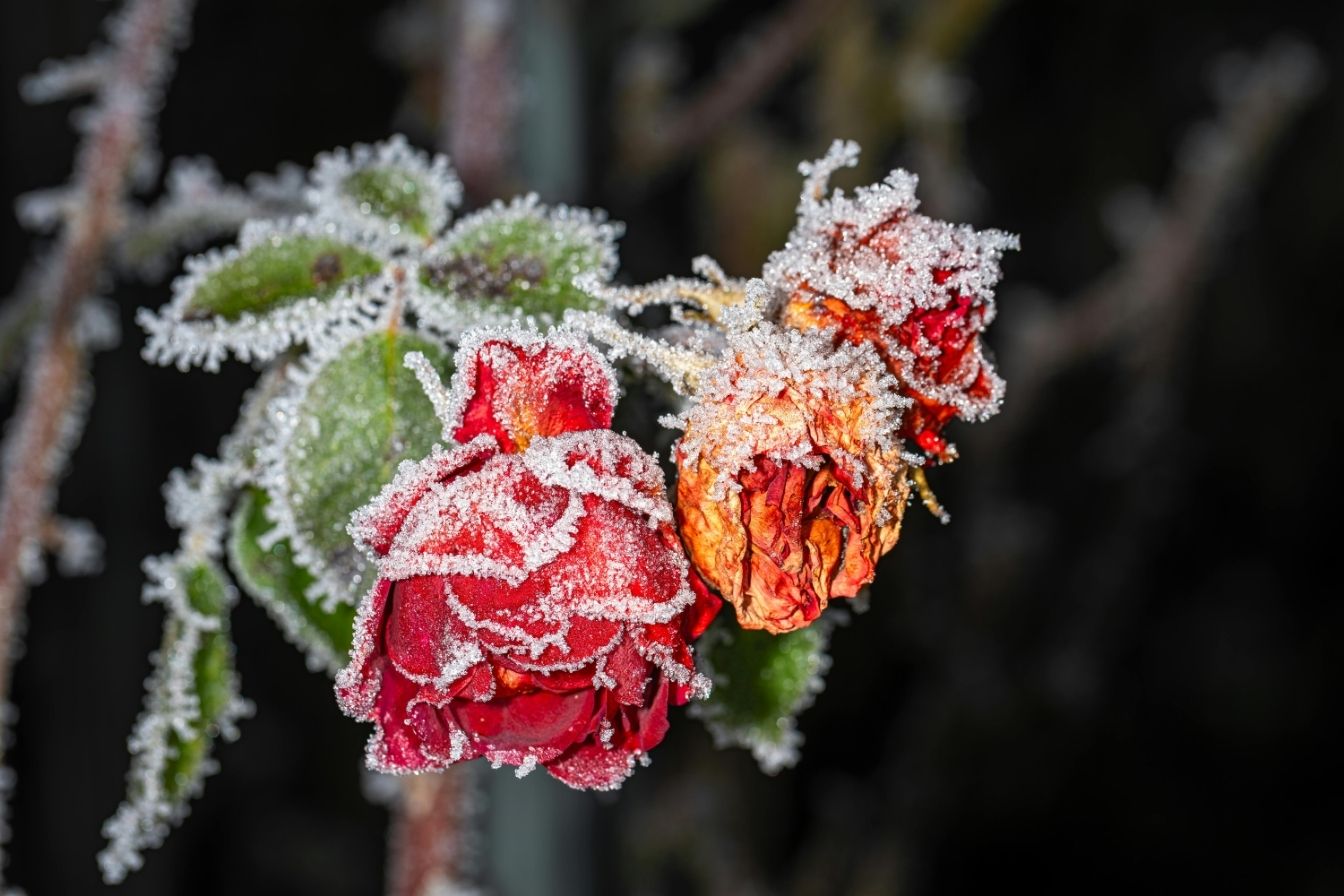
Freezing flowers is not a suitable option for flower storage. When temperatures fall below 32°F, water inside the cells freezes and expands, causing permanent damage to petals and stems.
After thawing, frozen flowers often appear limp, discolored, and unusable.
For this reason, the best temperature to store flowers stays just above freezing, typically between 34°F and 38°F is a safe range.
Freezing should only be used for dried or preserved materials designed for that purpose. Fresh flowers intended for sale should always be kept cold, not frozen, to maintain quality and vase life.
How Long Do Flowers Last in the Fridge?
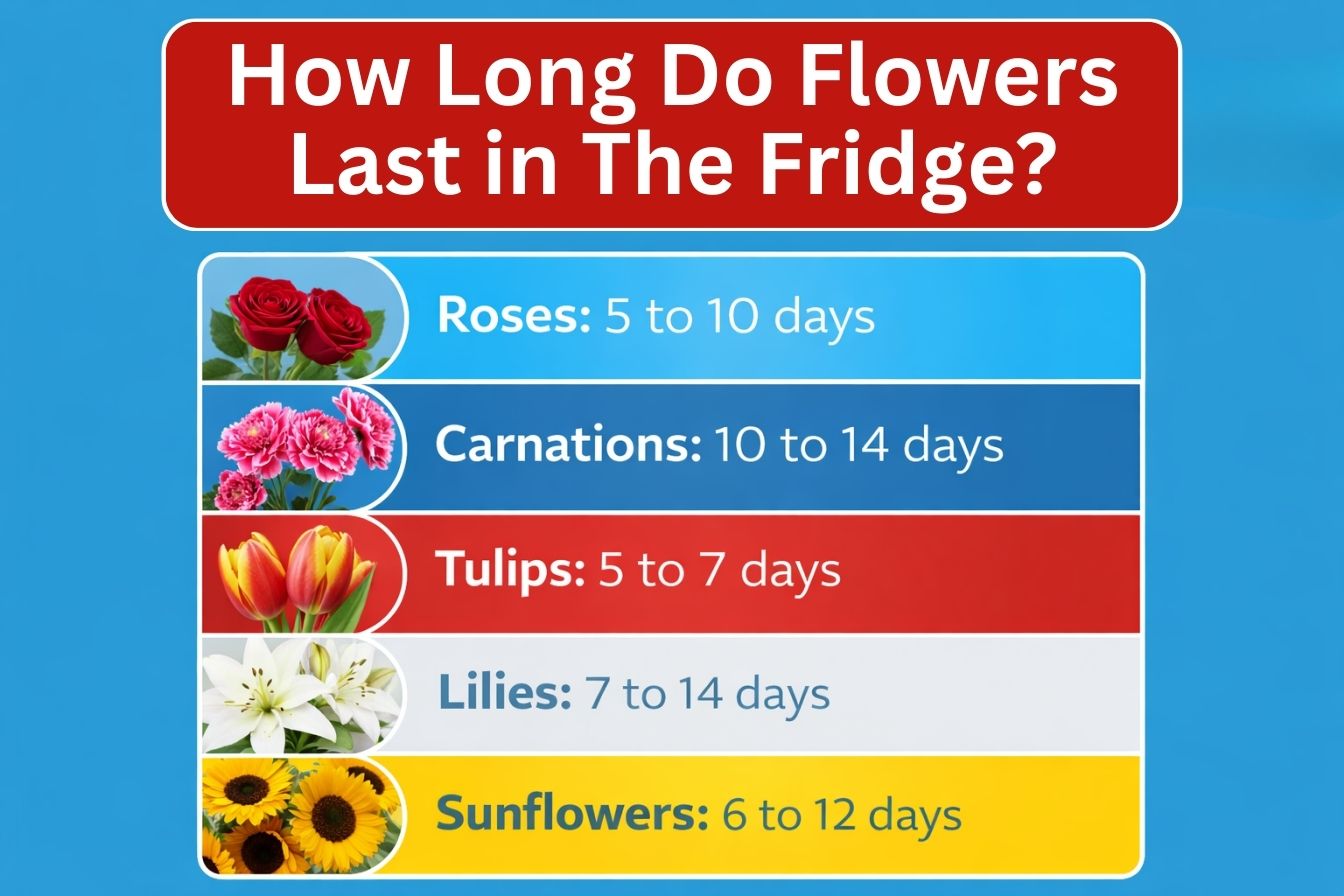
Florists frequently ask how long do flowers last in the fridge under proper conditions? When stored correctly with hydration and sanitation, refrigeration significantly extends usable life.
Most cut flowers last between five and fourteen days in cold storage, depending on variety and maturity at harvest. Roses typically last five to ten days, while carnations and chrysanthemums can last even longer.
Average Storage Life by Flower Type
- Roses: 5 to 10 days
- Carnations: 10 to 14 days
- Tulips: 5 to 7 days
- Lilies: 7 to 14 days
- Sunflowers: 6 to 12 days
Cold storage preserves energy reserves inside the stem, which directly improves performance after the flowers are arranged and sold.
How Long Do Flowers Last Without Refrigeration
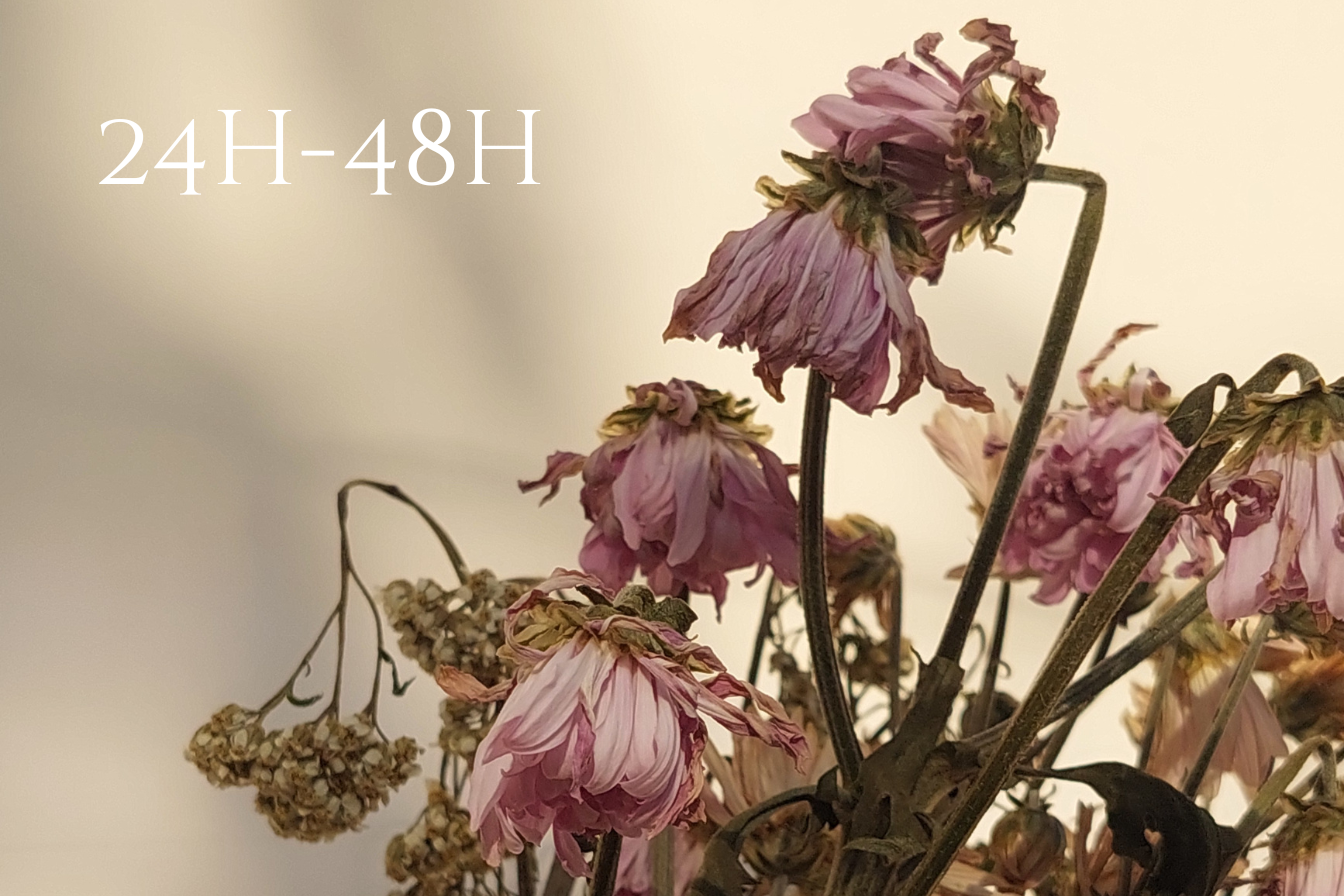
Without proper cooling, flowers deteriorate quickly. Room temperature accelerates moisture loss and bacterial growth inside the stem.
In warm environments, most flowers show visible decline within 24 to 48 hours. Petals soften, stems bend, and overall appearance suffers. Once damage occurs at this stage, refrigeration cannot fully reverse it.
Professional flower storage prevents this early deterioration and preserves retail value.
How Should You Store Flowers Overnight
A common operational question is how to store flowers overnight to ensure they are fresh for the next business day?
Overnight storage should focus on hydration, cleanliness, and cold temperature. Flowers should always be stored in clean containers with fresh water and floral preservatives. Stems should be trimmed before storage to improve water uptake.
Flowers should be placed in refrigeration at the correct flower refrigerator temperature, away from fruit and other ethylene-producing items. Even one night of proper cold storage can dramatically improve next-day quality.
How to Keep Flowers Fresh During Storage
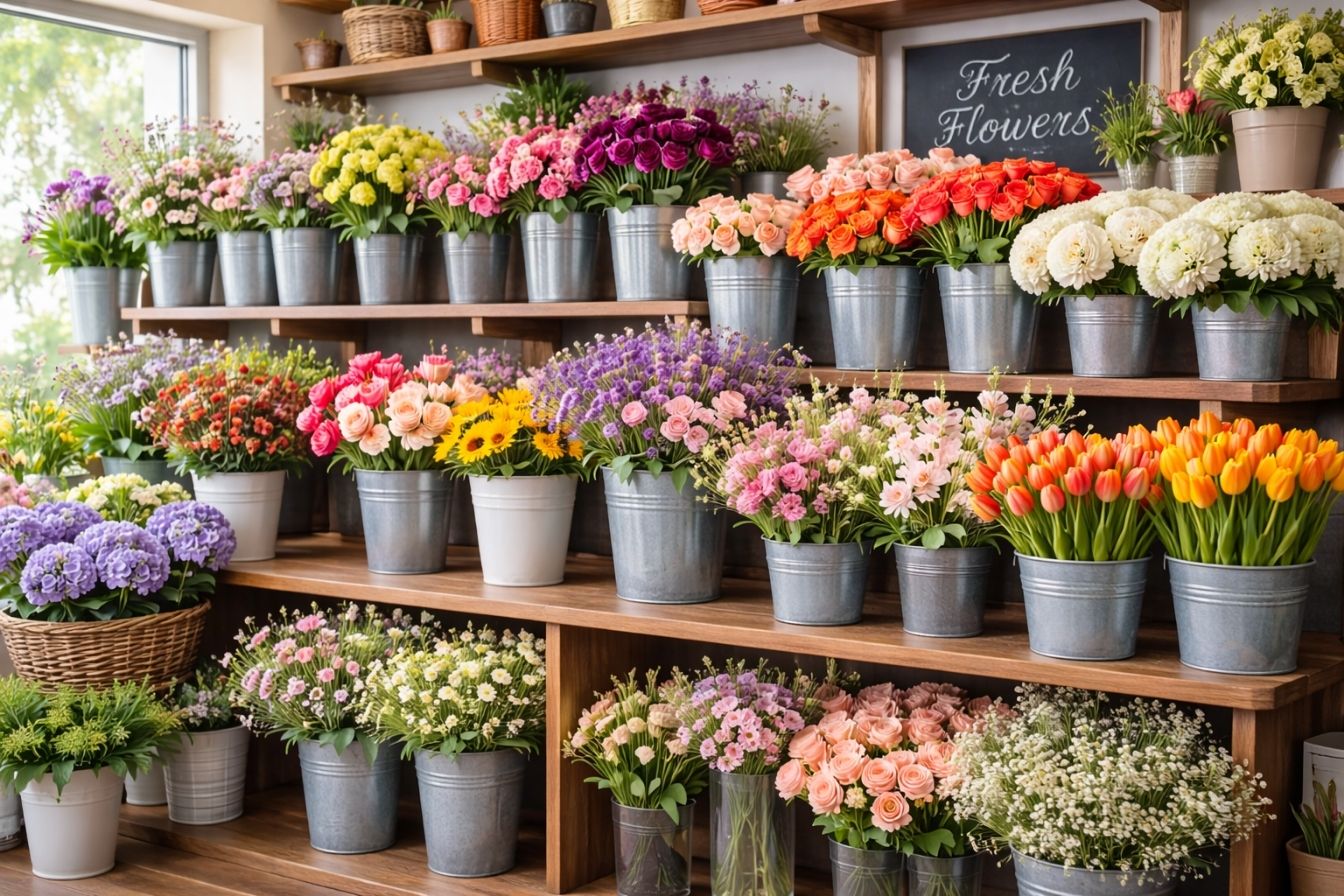
Knowing how to keep flowers fresh involves more than refrigeration alone. Storage practices must support hydration and prevent contamination.
Cleanliness plays a major role. Buckets, knives, and coolers should be sanitized regularly to reduce bacteria. Water should be changed daily, and damaged foliage should be removed promptly.
Humidity is also important. Cold air is naturally dry, so maintaining proper moisture levels helps prevent dehydration and petal curling.
Reefer trucks are often used when transporting flowers over long distances to help them fresh upon arrival.
How Long Can Flowers Go Without Water
Florists often need to transport or stage flowers temporarily without hydration. Understanding how much time you have before flowers need water again helps prevent irreversible damage.
In cool conditions, most flowers tolerate four to six hours without water. Some hardy varieties may last slightly longer, but exposure to heat drastically shortens this window.
Dry storage should always be temporary and cold. Flowers must be rehydrated as soon as possible to restore turgor and prevent vascular blockage.
How Long Do Flowers Last in a Vase After Storage

Another common question is how long do flowers last in a vase? Storage quality plays a major role in that outcome.
Flowers that have been properly refrigerated and conditioned typically last five to ten days in a vase, depending on variety.
Roses and lilies often perform well for a full week or more when storage conditions are ideal.
Poor temperature control before sale significantly reduces vase life and customer satisfaction.
How to Make Flowers Last Longer for Customers
Florists who understand how to make flowers last longer provide more than arrangements. They provide value and trust.
Cold conditioning before sale helps flowers hydrate fully and stabilize. Educating customers on basic care, such as trimming stems and changing water, reinforces positive results at home.
A few core principles make the biggest difference:
- Proper cold storage before sale
- Clean water and containers
- Fresh cuts on stems
- Cool placement away from heat sources
These steps start with professional flower storage at the florist level.
Flower Storage Box Solutions for Florists
A flower storage box offers a compact and efficient alternative to traditional walk-in coolers. These systems are ideal for smaller shops, mobile florists, and overflow storage.
Modern flower storage boxes provide precise temperature control, reliable humidity management, and scalable capacity. They allow florists to maintain consistent flower cooler temperature without investing in permanent construction.
Cold Storage Solutions for Florists
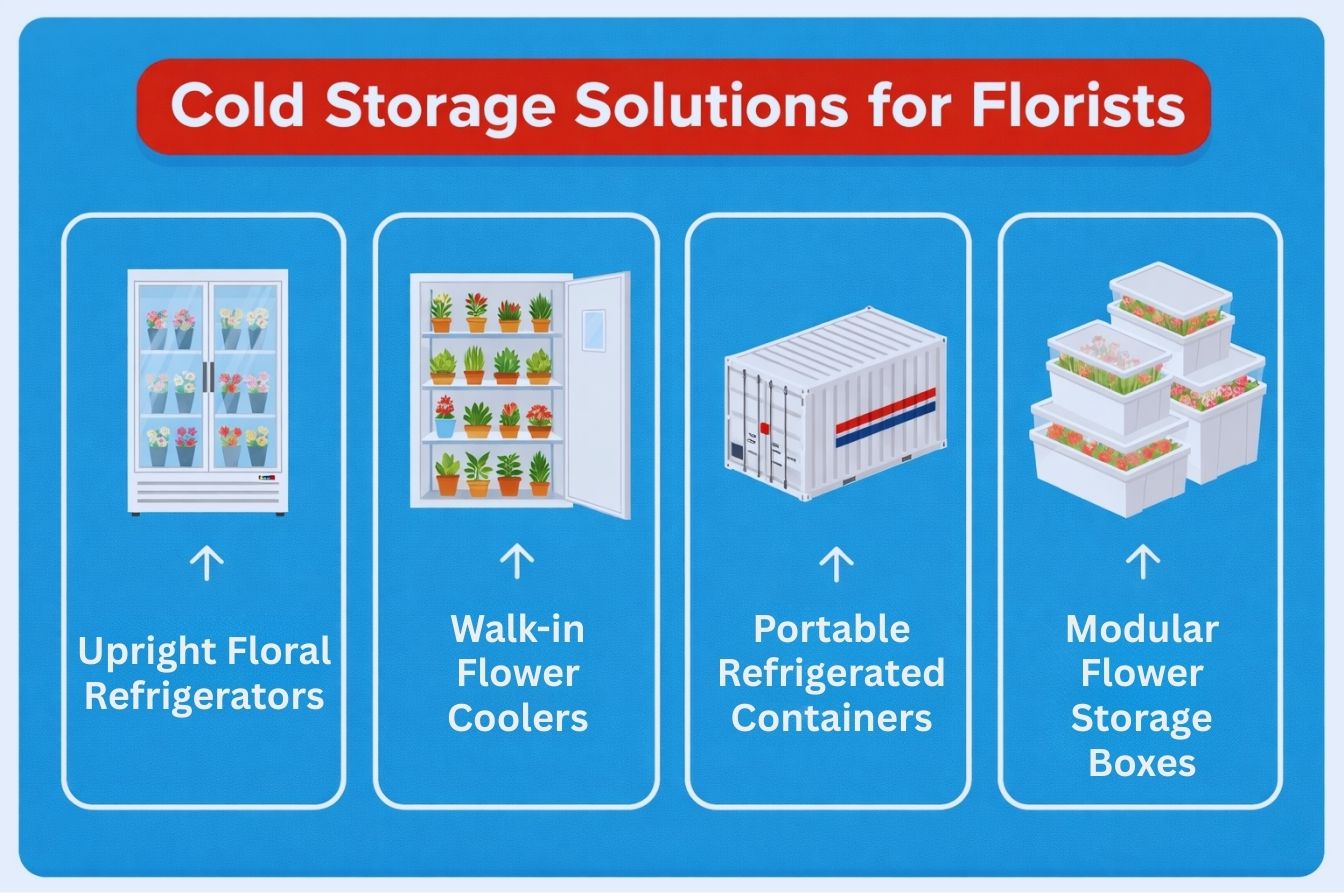
Modern cold storage options for florists range from traditional floral refrigerators to large-scale refrigerated containers.
Common Cold Storage Options For Flowers:
- Upright floral refrigerators
- Walk-in flower coolers
- Portable 20ft refrigerated containers
- Modular flower storage box systems
The right solution depends on inventory volume, space constraints, and business growth.
Regardless of size, all effective systems share the same goal: maintaining the best temperature to store flowers consistently and reliably.
Dry Box offers cold storage containers for sale and reefer trailer rentals with multiple size options available.
Making Flower Storage Simple
Mastering the best temperature to store flowers is one of the most important skills in professional floristry. Temperature control preserves beauty, extends shelf life, and protects profitability.
By maintaining proper flower refrigerator temperature and following proven handling practices, florists can deliver fresher flowers that last longer in the vase.
Great floral design starts with great storage. Temperature control makes the difference customers can see and trust.
Flower Storage FAQs
1. Can different flower types be stored together in the same cooler?
Yes, most standard cut flowers can be stored together if the temperature and humidity are properly controlled. However, tropical flowers should be stored separately at warmer temperatures to prevent cold damage.
2. Should flowers be stored in light or darkness?
Flowers should be stored in low light or darkness. Light encourages photosynthesis and heat buildup, which can shorten storage life and reduce overall freshness.
3. Does air circulation matter in flower storage?
Gentle air circulation is important to maintain even temperature and humidity, but strong airflow should be avoided. Direct airflow can dry out petals and leaves, leading to dehydration.
4. Can floral foam arrangements be refrigerated?
Yes, arrangements made with floral foam can be refrigerated if the foam is fully saturated and the flower refrigerator temperature is stable. Foam should be checked regularly to prevent drying during storage.
5. How often should flower storage temperatures be checked?
Temperatures should be monitored at least twice daily. Consistent monitoring helps catch equipment issues early and ensures flowers remain within the optimal storage range.