


Refrigerated Storage for Events, Festivals, and Catering Companies
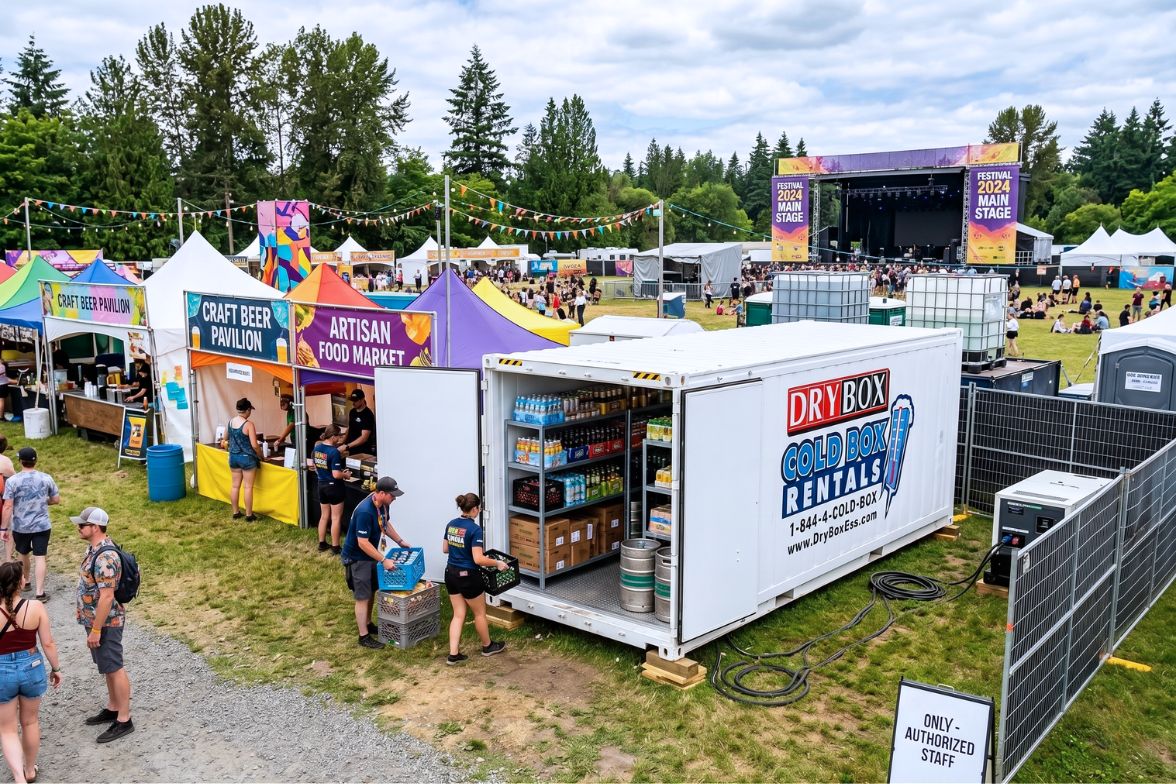
Portable refrigerated storage for events is delivered to your site for the length of an event. The most common choice is a refrigerated shipping container, often called a reefer, that plugs into power and holds a steady temperature from -10°F to +80°F. Caterers, festivals, and food vendors rent these units by the day, week, or month to keep food, beverages, and flowers safe on site.
An outdoor festival can serve thousands of meals in a single afternoon. Every one of those meals starts with food that has to stay cold until it reaches a plate. The walk-in cooler back at a permanent kitchen cannot follow the crowd to a fairground, a vineyard, or a downtown street fair.
This guide breaks down the cold storage options that work best for events, what each one costs, and how to keep your service safe and compliant. The right unit depends on your menu, your crowd size, and your venue. By the end you will know which one fits your next event.
Why Events Need On-Site Cold Storage
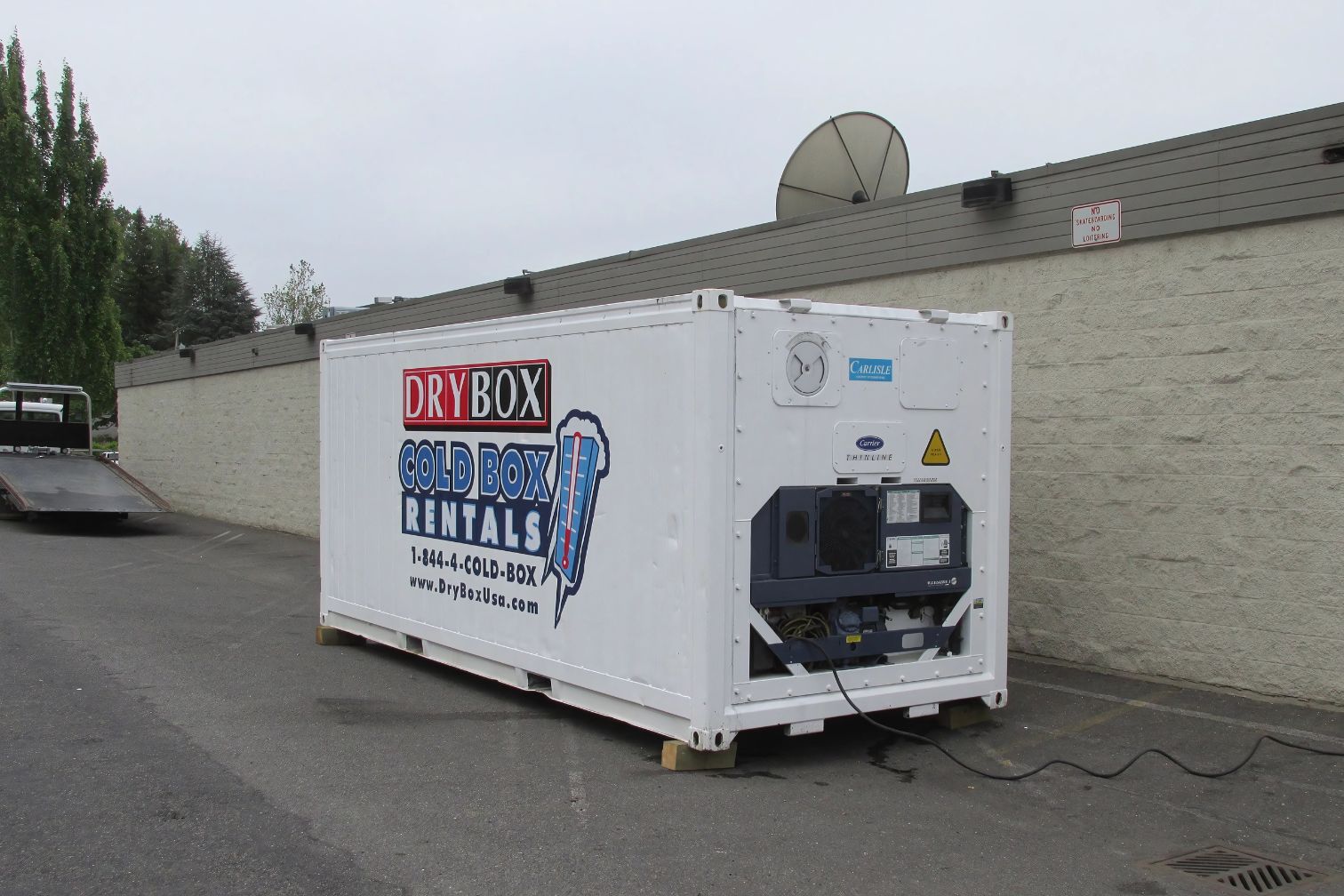
Food safety is the real reason events rent cold storage. The USDA warns that bacteria multiply fastest between 40°F and 140°F, a range it calls the food safety danger zone. Cold food must be held at or below 40°F to stay safe to serve.
Ice chests and a few household coolers cannot hold that line for a full weekend. Ice melts, doors open hundreds of times, and summer heat pushes temperatures up fast. One warm afternoon can turn a catering order into a health hazard.
A reefer unit removes the guesswork by holding a set temperature around the clock. It gives your team room to stage products, chill drinks, and store backup inventory in one secure place. That reliability is why event planners treat cold storage as core infrastructure, not an afterthought.
Refrigerated Storage Options for Events
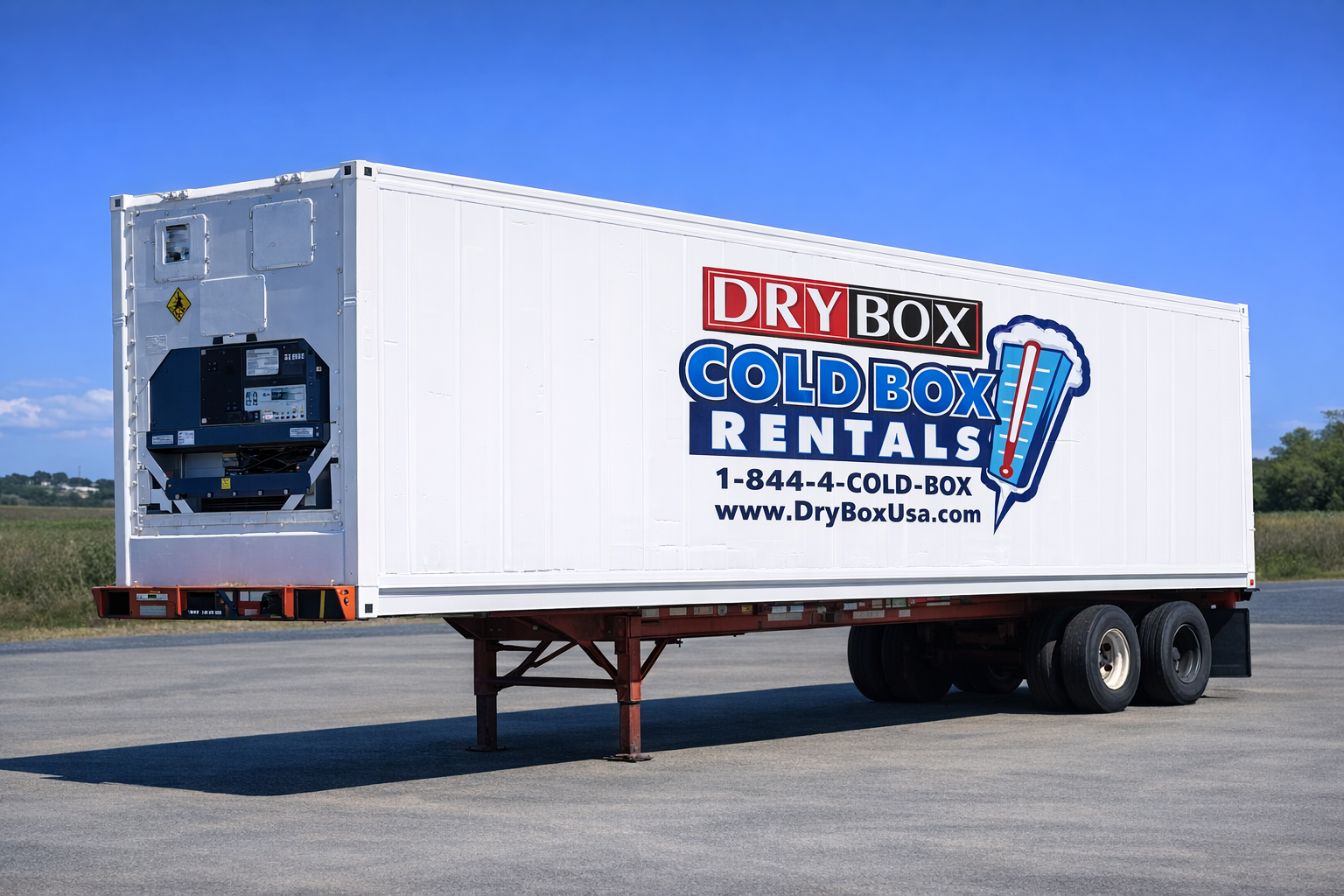
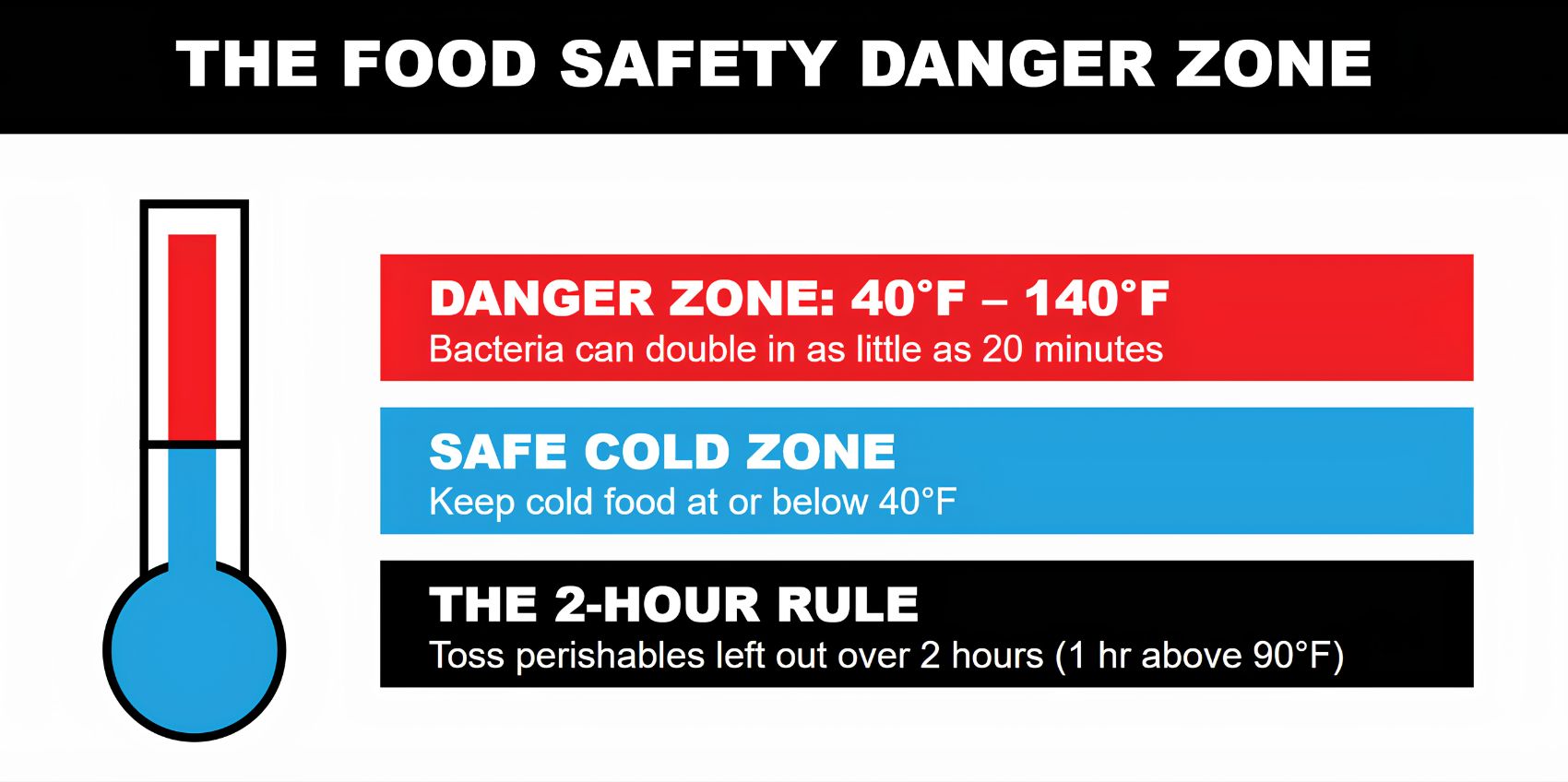
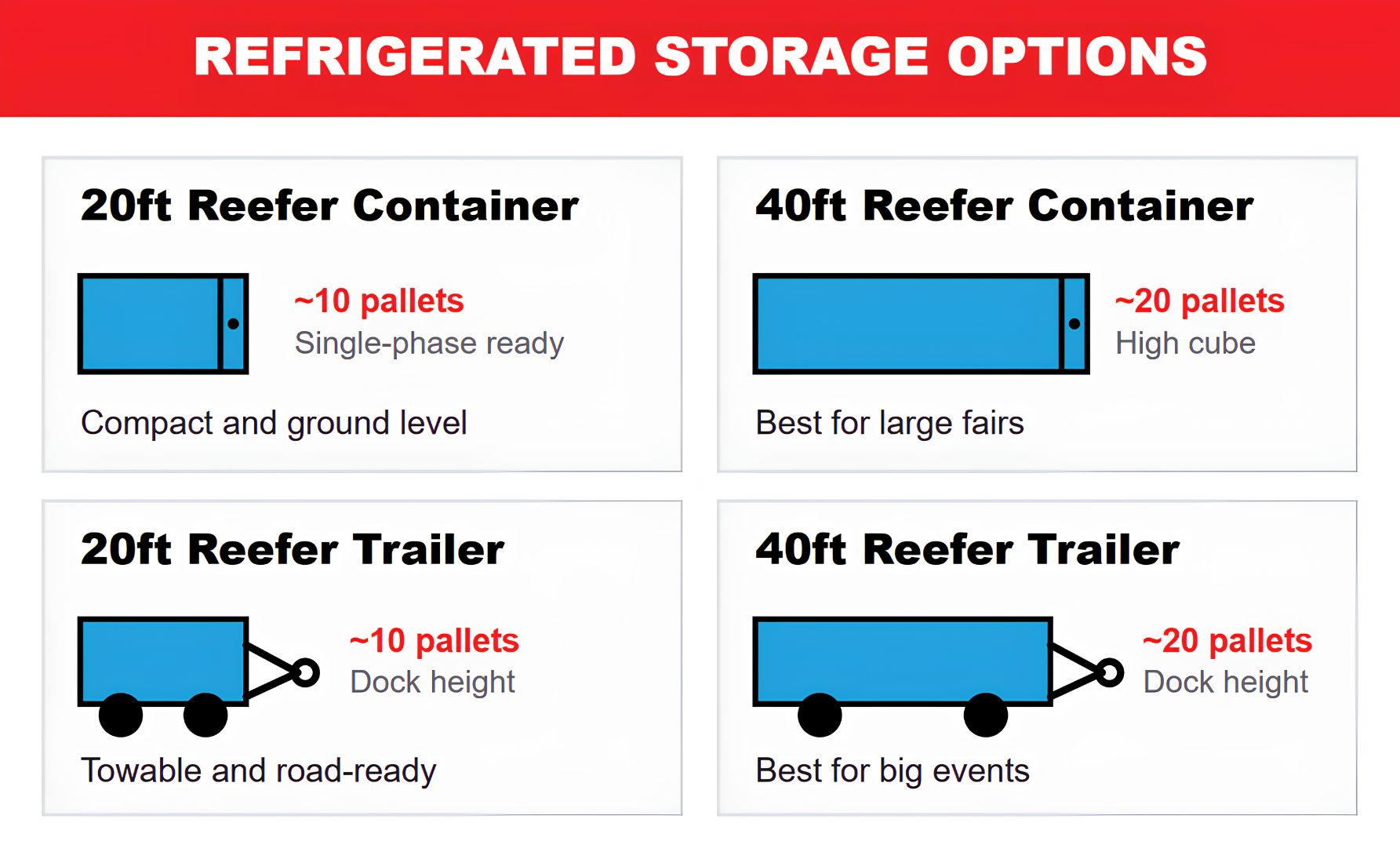
Most events use one of four units, and the best fit depends on how much you store and how you load it. A refrigerated container rental covers the majority of jobs because it sits at ground level and plugs into power. Trailers come into play when you need dock height or maximum frozen capacity.
- 20ft Reefer Container – a compact, ground-level unit that plugs into single-phase power. Best for weddings, small caterers, and single-vendor setups.
- 40ft Reefer Container – a high-cube unit with roughly double the capacity. Best as a shared cold hub for large fairs and festivals.
- 20ft Reefer Trailer – a dock-height unit that loads from a raised bay. Best for venues and warehouses with a loading dock.
- 40ft Reefer Trailer – a larger towable refrigerated trailer or freezer trailer with maximum capacity at dock height. Best for big multi-day events and high-volume catering.
For deep frozen goods like seafood and ice cream, a freezer trailer rental holds the lowest temperatures and backs up to a dock. If you are still deciding between mobile and stationary, this breakdown of reefer trucks versus trailers and containers explains the trade-offs in plain terms.
Refrigerated Storage for Festivals
Festivals push cold storage harder than almost any other event. Dozens of food vendors, beverage tents, and ice stations all draw from the same supply over several days. On-site cold storage for music festivals keeps that whole operation running without a single trip off site.
A 40ft reefer container rental works well as a central cold hub that vendors share. Beer, produce, dairy, and prepped food all stay at temperature in one secure unit.
Outdoor festival reefers run on standard power or a properly sized generator, so even a remote fairground stays covered.
Placement matters as much as size at a festival. A reefer needs ground access and clearance for delivery, plus airflow around the cooling end. Plan the spot during your site layout so the unit lands close to vendor row on day one.
Portable Cold Storage for Catering Companies
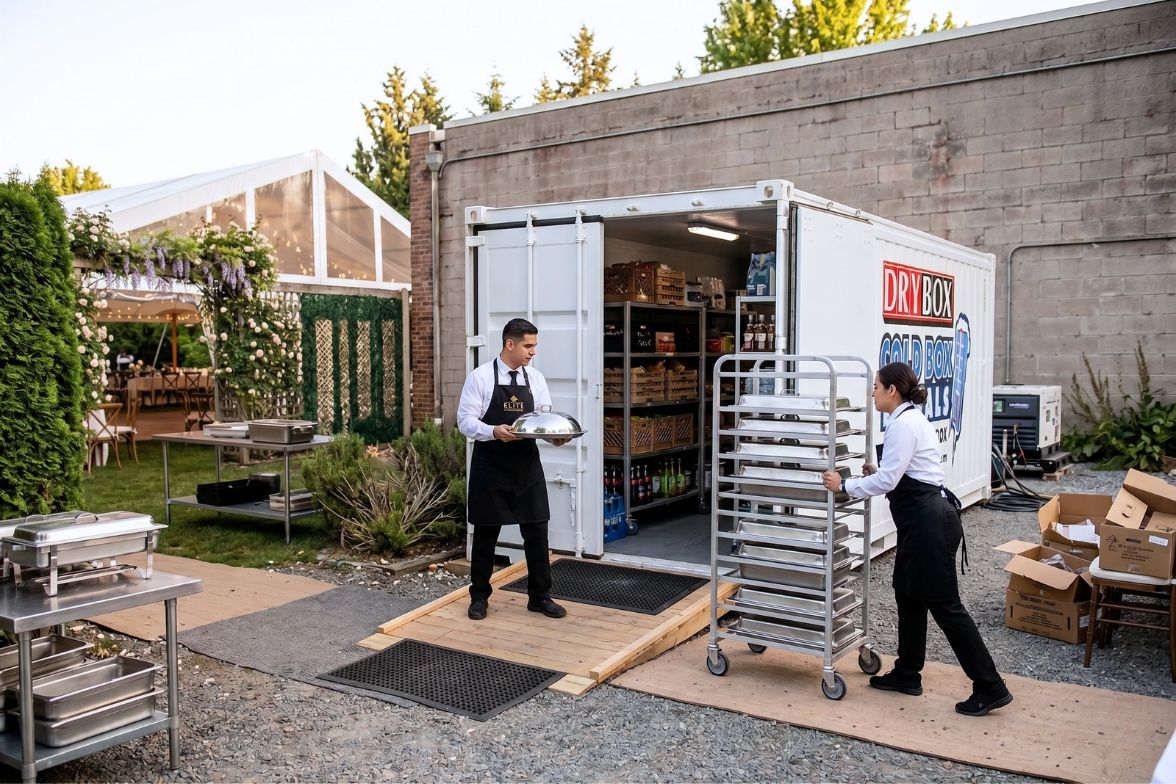
Caterers live and die by location, and a reefer puts cold storage right where the team works. Food, beverages, desserts, flowers, and backup inventory all stay within steps of the prep area. That beats hauling product from an off-site cooler in the middle of service.
For a wedding or a corporate gala, a single 20ft refrigerated container usually holds everything a catering team needs. It runs quietly on a simple electrical connection, with no diesel fumes or engine noise to bother guests. That makes it a clean alternative to a noisy walk-in cooler rental for weddings.
Catering companies that book events year-round often choose to buy instead of rent. Owning a unit removes per-event rental fees and guarantees availability during peak season. Browsing reefer containers for sale is a smart move once your event calendar fills up.
Reefer Trailers for Food Trucks and Large-Scale Catering

Food truck rallies and large catered events create a different challenge: many small operators, one shared site. A central reefer gives every truck a place to store backup product without packing a tiny onboard fridge. Vendors restock through the day instead of running low by noon.
Large-scale catering for conferences, sporting venues, and expos often needs more than one unit. Pairing a chilled container with a freezer trailer separates fresh produce from frozen stock cleanly. This is the same approach used to keep cold storage rental reliable across multi-day commercial jobs.
Cold storage also pairs naturally with other event infrastructure. Many planners add a mobile office container for staff and a storage container rental for dry goods and equipment. Together they turn an empty field into a working venue.
What Refrigerated Storage Costs to Rent
Reefer rental rates generally run from $1,100 to $3,000 per month, depending on size, season, and term length. Daily and weekly rates are available for short events like a weekend festival. Delivery and pickup are billed separately, so budget for that on both ends.
Power is the other planning item to confirm early. Many 20ft units run on a single-phase connection, while larger units may need three-phase power or a generator. A licensed electrician should handle the hookup to keep the unit running safely all event long.
Buying becomes the better value once you run several events a year. You can compare current rental and purchase pricing on the main shipping containers for sale page. Either path gives your event a dependable cold chain from load-in to load-out.
FAQs About Refrigerated Storage for Events
How far in advance should I book refrigerated storage for an event?
Reserve your unit as early as your date is set, especially for summer and holiday weekends when demand peaks. Two to four weeks of lead time is a safe target. Same-week and next-day delivery is sometimes possible, but availability is never guaranteed during the busy season.
What kind of surface does the container need to sit on?
A reefer can be placed on gravel, asphalt, packed dirt, or concrete with no foundation or site prep. The ground should be reasonably level so the doors seal and the unit drains correctly. Leave clearance around the cooling end for airflow.
Is there a minimum rental period for a weekend event?
Many providers bill on a monthly cycle, though daily and weekly rates exist for short events. A single cycle usually covers a festival or wedding with room for delivery and pickup on either side. Confirm the minimum term when you request your quote.
Do I need insurance for a rented refrigerated container?
The renter is responsible for the unit and its contents while it is on site. Most event policies can cover rented equipment, so add the container to your certificate of insurance before opening day. Your provider can tell you the replacement value to list.
Can one refrigerated container hold both frozen and chilled items at once?
A single unit holds one set temperature throughout, so it cannot run as a freezer and a cooler at the same time. Events that need both usually rent two units or pair a container with a freezer trailer. Set each unit to the range your product requires.
Disclaimer: This article is for entertainment and informational purposes only and does not constitute medical, legal, or regulatory advice. Always consult the FDA, USDA and CDC for guidance on cold storage requirements. Cold Storage Containers and Dry Box are not responsible for how this information is applied in practice.