


Cold Storage Options For Seafood Distributors
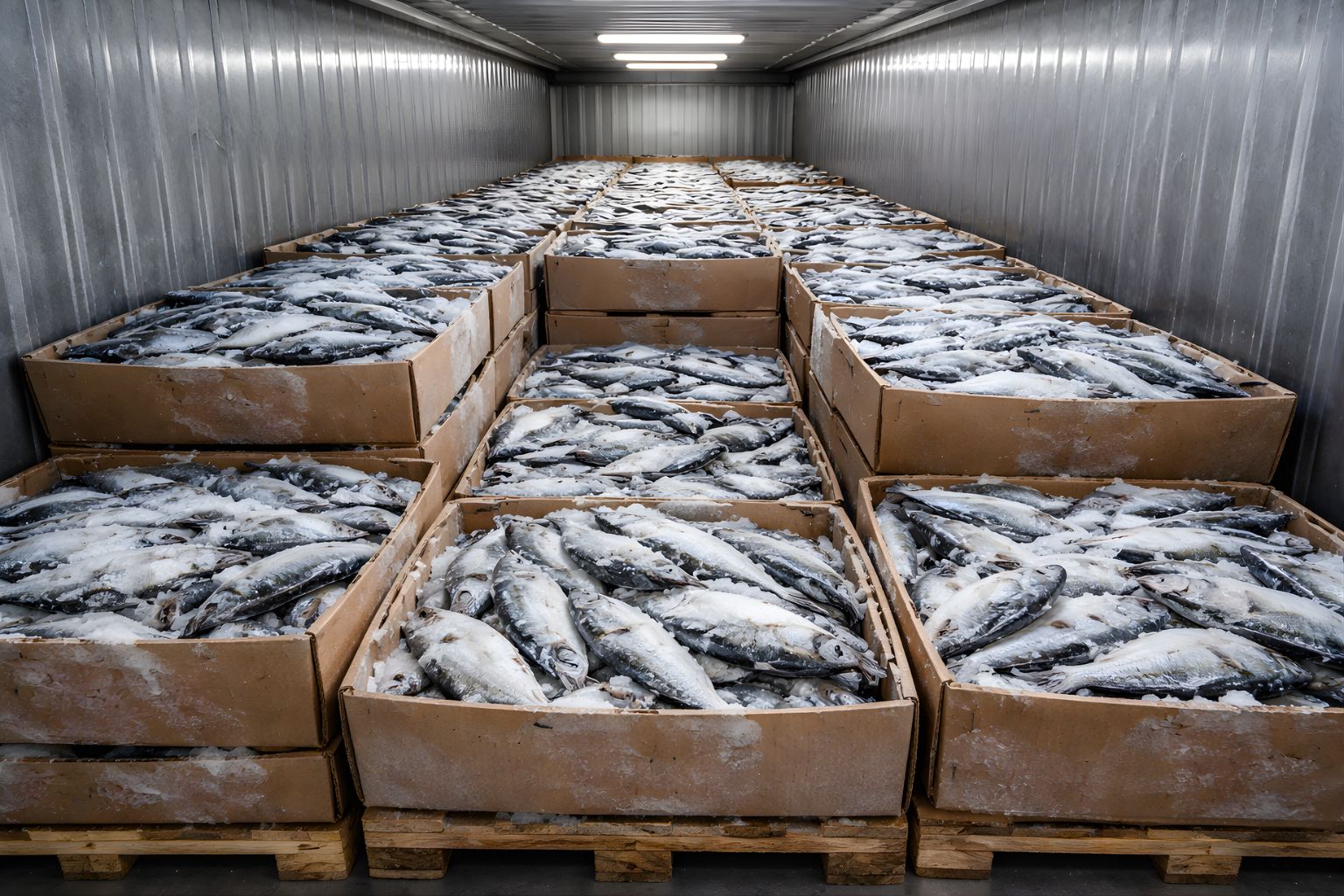
The seafood industry is a race against time. From the moment a fish is pulled from the ocean, a biological clock starts ticking.
For seafood distributors, managing this clock is the difference between a high profit-margin and a total loss. Maintaining the integrity of the cold chain is not just a logistical necessity; it is a commitment to food safety and quality.
Effective cold storage for seafood ensures that the delicate proteins and healthy fats found in fish do not degrade. Without precise temperature control, bacteria can multiply rapidly, leading to spoilage and health risks.
This is why choosing the right equipment, such as a reefer container or a mobile freezer trailer, is the most critical decision a distributor will make.
In an era where consumers demand fresh-tasting frozen fish fillets year-round, the infrastructure behind the scenes must be flawless.
This article explores the various cold storage solutions available to distributors, the technical requirements for different species, and how to optimize your shipping processes to keep your inventory in peak condition.
Benefits of Using Cold Storage for Seafood
Seafood has a shorter shelf life than most proteins. Fish tissue is delicate. It contains enzymes and moisture levels that make it highly perishable.
If seafood rises above safe temperature ranges, spoilage can happen in hours.
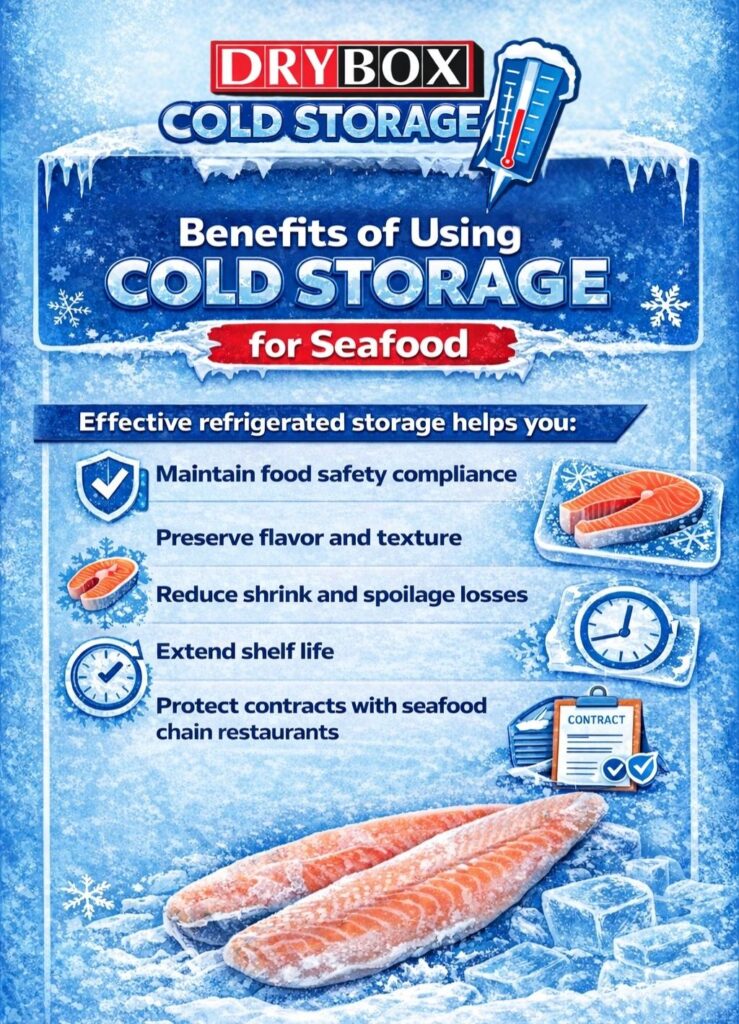
Effective refrigerated storage helps you:
- Maintain food safety compliance
- Preserve flavor and texture
- Reduce shrink and spoilage losses
- Extend shelf life
- Protect contracts with seafood chain restaurants
For distributors handling frozen fish, frozen fish fillets, shellfish, or value added seafood products, temperature control is not just about storage. It is about preserving trust.
What is The Best Temperature to Store Seafood?
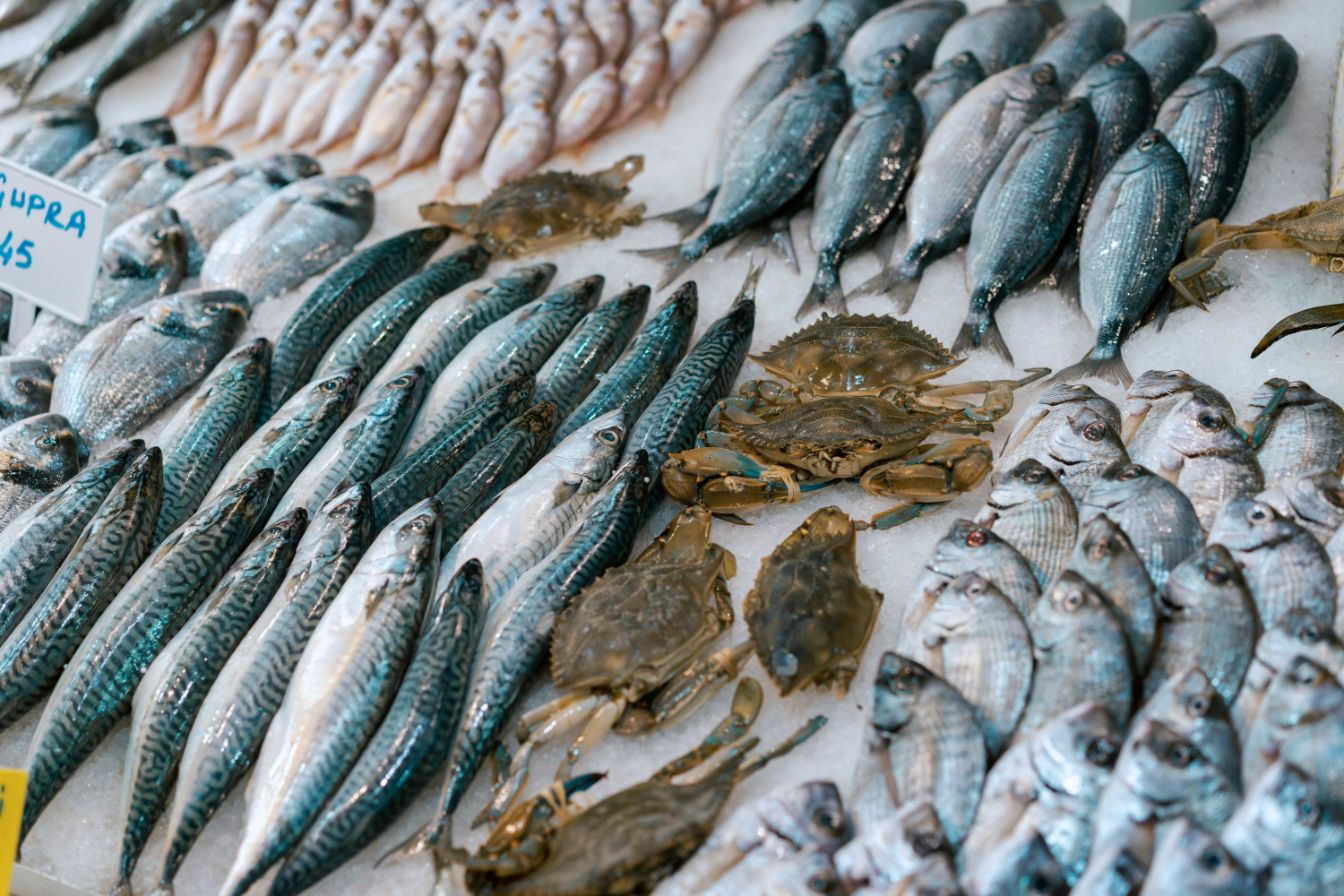
Temperature is the single most important factor in seafood logistics. A few degrees of fluctuation can be the difference between a premium fillet and a discarded product.
Different products require different environments. Let’s take a look:
Frozen Fish Storage
For long-term storage of frozen fish, the industry standard is -18°C (0°F) or colder, according to the FDA. This temperature stops microbial growth and keeps the fats in the fish from turning rancid.
For high-grade tuna (sashimi grade), specialized “super-freezers” are used to maintain temperatures as low as -60°C.
Fresh Seafood Storage
Fresh fish should be kept as close to 0°C (32°F) as possible without actually freezing the flesh.
This is often achieved in a refrigerated storage unit by packing the fish in flaked ice. The ice keeps the skin moist and the temperature stable.
Prepared and Value-Added Products
Products like smoked salmon or pre-marinated frozen fish fillets often have different requirements.
While they are usually kept at frozen temperatures for shipping, they may require a “slacking” period in a refrigerated trailer at 2°C to 4°C before they reach seafood chain restaurants.
When Advanced Cold Storage is Most Valuable
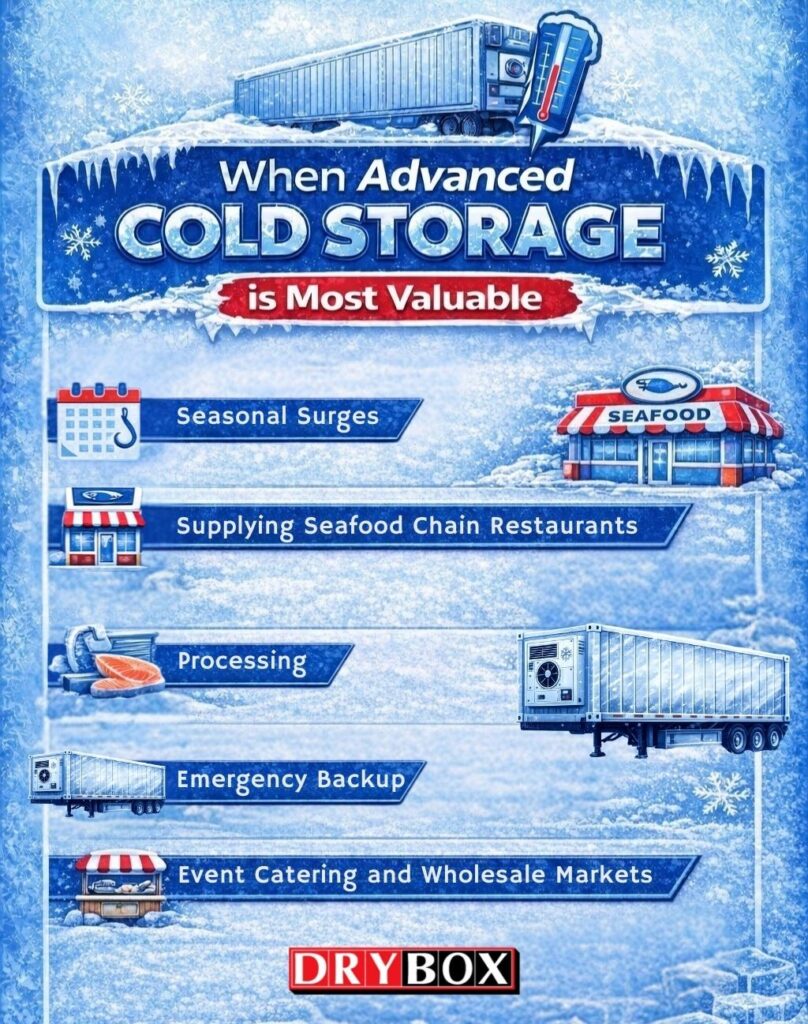
Why do distributors invest so heavily in high-end refrigeration? There are several scenarios where having access to a reefer trailer or a refrigerated storage unit becomes a competitive advantage.
- Seasonal Surges: During peak fishing seasons, many distributors find their permanent warehouses at capacity.
- Supplying Seafood Chain Restaurants: High-volume clients like seafood chain restaurants require consistent deliveries of frozen fish.
- Processing and Packing: Often, fish needs to be kept at a specific “tempering” temperature before it is cut into frozen fish fillets.
- Emergency Backups: If a permanent walk-in freezer fails, a mobile freezer trailer can be deployed within hours to save hundreds of thousands of dollars in stock.
- Event Catering and Wholesale Markets: For large-scale events or morning fish markets, having a reefer trailer for sale or lease allows a distributor to keep products on-site.
Refrigerated Shipping Tips for Frozen Fish
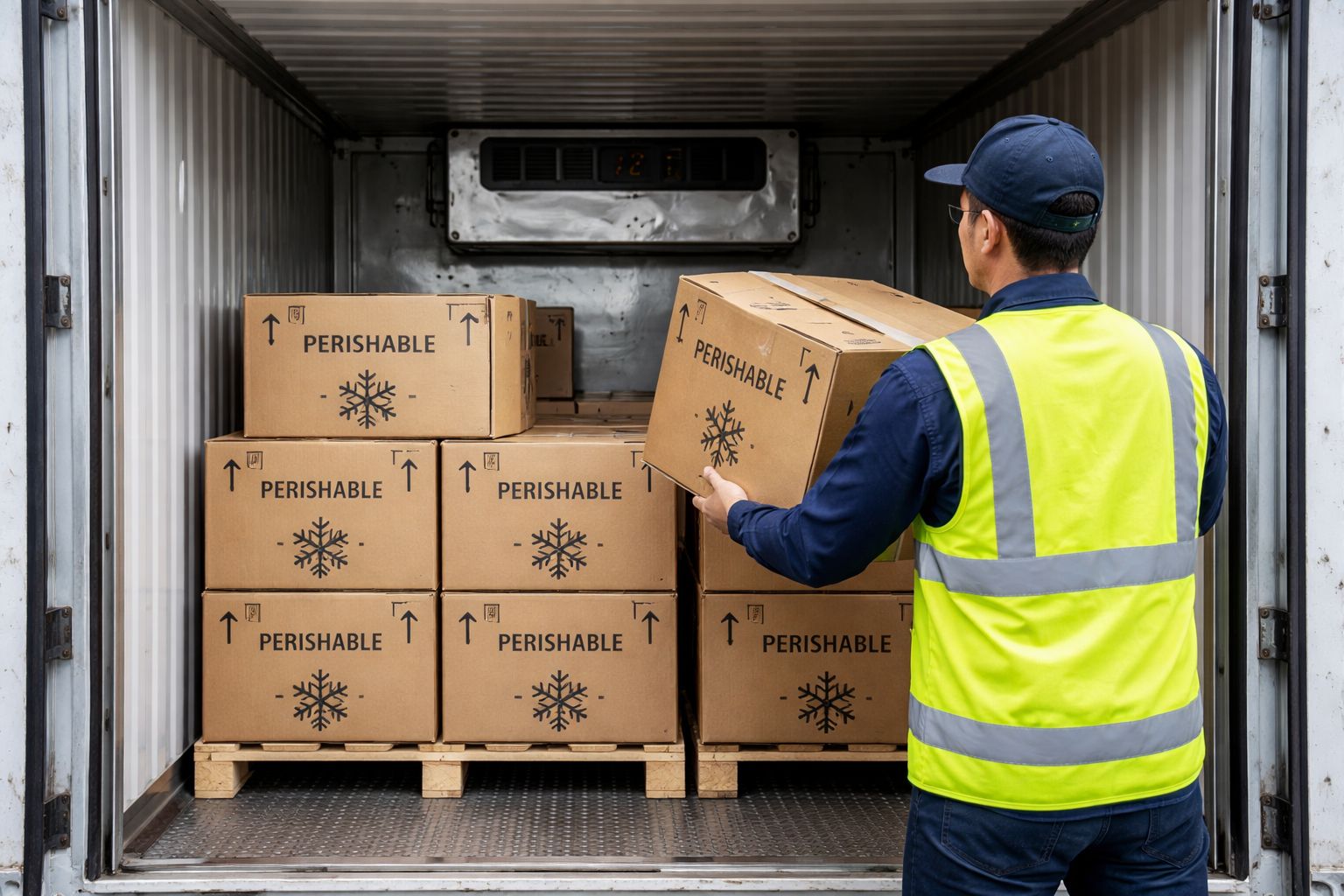
Shipping frozen fish is an art form. It requires meticulous attention to detail and a deep understanding of how air flows inside a reefer truck or refrigerated trailer.
First: Always pre-cool the refrigerated trailer or reefer container before loading any product.
If you load frozen fish fillets into a warm trailer, the surface of the fish will begin to thaw, even if the cooling unit is turned on immediately.
This creates ice crystals that damage the texture of the meat.
Second: Understand the airflow. In a refrigerated trailer rental, the cold air moves in a specific pattern. Do not block the evaporator fans at the front.
Ensure there is enough space between the pallets and the walls of the reefer trailer so that air can circulate. If the air stays still, “hot spots” can develop.
Third: Monitor the temperature constantly. Modern refrigerated shipping uses telematics to track the temperature of the reefer container in real-time.
If the temperature rises above a certain threshold, the distributor receives an alert. This allows for immediate action before the frozen fish is compromised.
Different Types of Refrigerated Storage for Seafood
Distributors have various tools at their disposal to keep their products cold. The best choice depends on the volume of fish and how long it needs to stay in one place.
- Reefer Containers: This is a standardized shipping container used for refrigerated shipping. These units are incredibly durable and can be used on ships, trains, or as ground-level storage at a distribution center.
- Refrigerated Trailer Rental: For distributors who need mobility, this is a perfect solution. These are essentially large refrigerators or freezers on wheels, perfect for loading dock height.
- Reefer Trucks: Reefer trucks are ideal for distribution to stores and restaurants, but they can also be used as a backup for emergency cold storage.
- Mobile Freezer Trailer: A mobile freezer trailer is smaller and more maneuverable than a full-size reefer trailer. These are excellent for local deliveries to seafood chain restaurants or for small-scale distributors.
- Commercial Refrigeration: This refers to the permanent walk-in freezers found inside grocery stores and restaurants. While these are great for stability, they lack the flexibility of a reefer trailer for sale or a portable container.
Choosing Between a Reefer Trailer for Sale or Rental
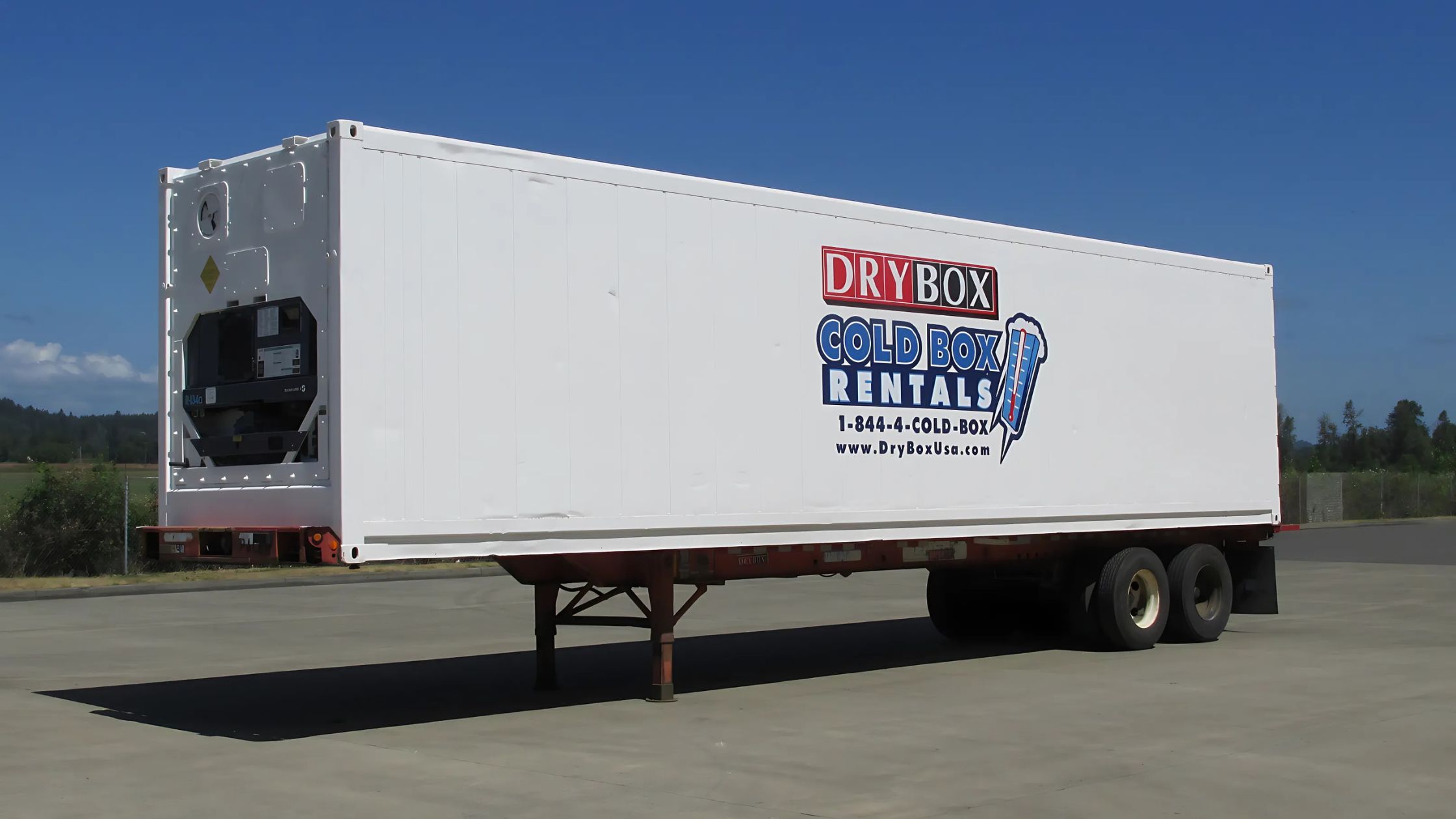
Distributors often struggle with the decision to buy or lease their equipment. Both options have distinct advantages depending on the business model and financial goals.
If you have a consistent, year-round volume of fish, looking for a reefer trailer for sale might be the better long-term investment.
Owning the equipment allows you to customize the interior and ensures you always have storage capacity available without a monthly fee.
On the other hand, a refrigerated trailer rental offers unmatched flexibility. If your business is seasonal, you only pay for the storage when you actually need it.
Rentals also come with the benefit of maintenance. If the cooling unit on a rented reefer trailer breaks down, the rental company is usually responsible for fixing it. This reduces the operational risk for the distributor.
Meeting the Demands of Seafood Chain Restaurants
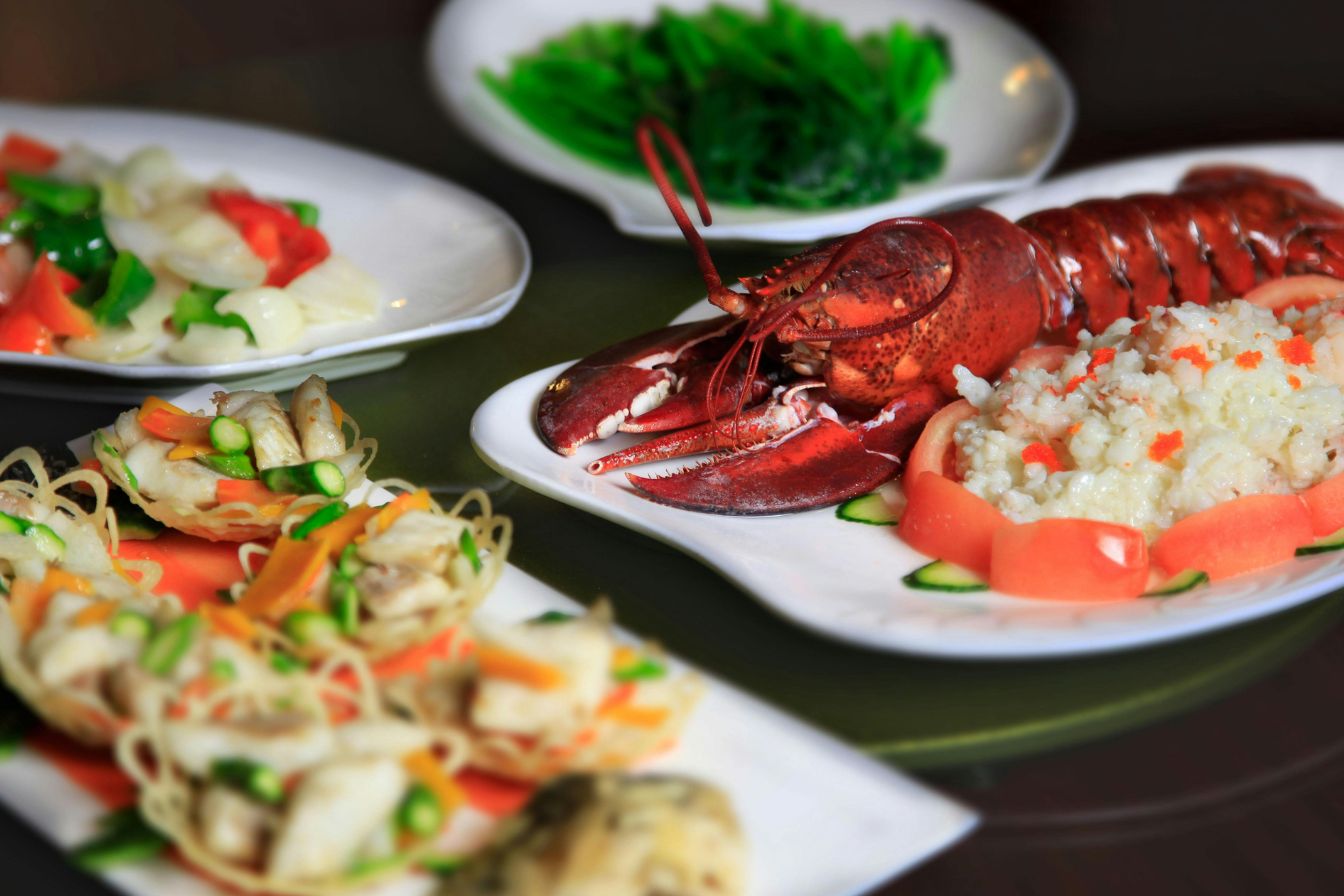
The rise of national seafood chain restaurants has changed the way distributors operate. These clients demand extreme consistency.
A fillet of salmon in a New York location must be identical in quality to one in a California location.
To meet this demand, distributors rely on a network of cold storage for seafood hubs. By using a reefer container at various regional points, they can ensure that frozen fish fillets are never more than a few hours away from the kitchen.
This decentralized storage model reduces shipping costs and ensures the freshest possible product reaches the consumer.
Using a mobile freezer trailer for the “final mile” of delivery is also common. These smaller units can navigate tight city streets and delivery docks that a full-size refrigerated trailer cannot reach.
The Future of Cold Storage in the Seafood Industry
As technology evolves, cold storage for seafood is becoming smarter and more efficient.
New reefer container designs are using more sustainable refrigerants and better insulation to reduce energy consumption.
We are also seeing the rise of automated refrigerated storage. In these high-tech facilities, robots move pallets of frozen fish in and out of the cold, reducing the amount of time doors are open and keeping temperatures more stable.
Whether you are looking for a reefer trailer for sale to expand your fleet or a refrigerated trailer rental for a temporary project, the right cold storage solution is the backbone of your success.
DryBox offers a wide variety of cold storage solutions. Contact us for more information.
Frequently Asked Questions about Frozen Fish Storage
How long can frozen fish be stored before quality declines?
At -18°C, lean fish stays high-quality for 6-12 months. Fatty fish like salmon requires -24°C or colder to last beyond 6 months.
What power is required for a portable reefer container?
Most units require a 460V/3-phase electrical connection. Some modified containers can run on 230V but require higher amperage circuits.
Are there new traceability laws for seafood distributors in 2026?
Yes. The FSMA Rule 204 requires distributors to maintain digital “Traceability Lot Codes” for specific seafood to ensure rapid recalls.
Can I use a reefer container for both fresh and frozen fish?
Yes. Modern units have digital thermostats allowing you to switch between freezer mode and refrigerated (chilled) mode as needed.
Can a reefer container be used for air-freight seafood?
No. Air-freight uses specialized Envirotainers. Standard reefer container units are designed for sea, rail, and road transport only.
Disclaimer: This article is for entertainment and informational purposes only and does not constitute medical, legal, or regulatory advice. Always consult the FDA, USDA and CDC for guidance on cold storage requirements. Cold Storage Containers and Dry Box are not responsible for how this information is applied in practice.